✨ 22 Things to Get Rid of for a Clutter-Free Home (Easy Decluttering Checklist)

Is clutter piling up around you? You’re not alone. A simple, steady decluttering routine can transform a space from busy to calm, and it starts with tiny, practical steps you can actually keep up with.
Below is a clear, image-first checklist of 22 items to tackle. Each section shares what to remove, why it helps, and a quick, doable approach so you stay motivated and moving forward.
1. Unused kitchen gadgets
What to remove: Small gadgets you never use, duplicates, and items that take up precious drawer space. If two gadgets do the same job, pick the one you actually reach for. This frees up counters and makes quick meals feel easier.
Take 15 minutes to test each gadget: use it, then decide if you’d buy it again. If not, place it in a box for donation or trash. You’ll notice more room for the basics like pots, pans, and a clean counter.
2. Expired or empty pantry items
What to remove: Old spices, half-open bags, and cans past their date. These clutter shelves and can lead to wasted food. Cleaning this out helps you see what you actually have and plan better meals.
Pull everything out, wipe the shelves, and group items by category. As you restock, only keep what you’ll actually use in the next month. It’s amazing how fresh airflow and a tidy shelf can feel.
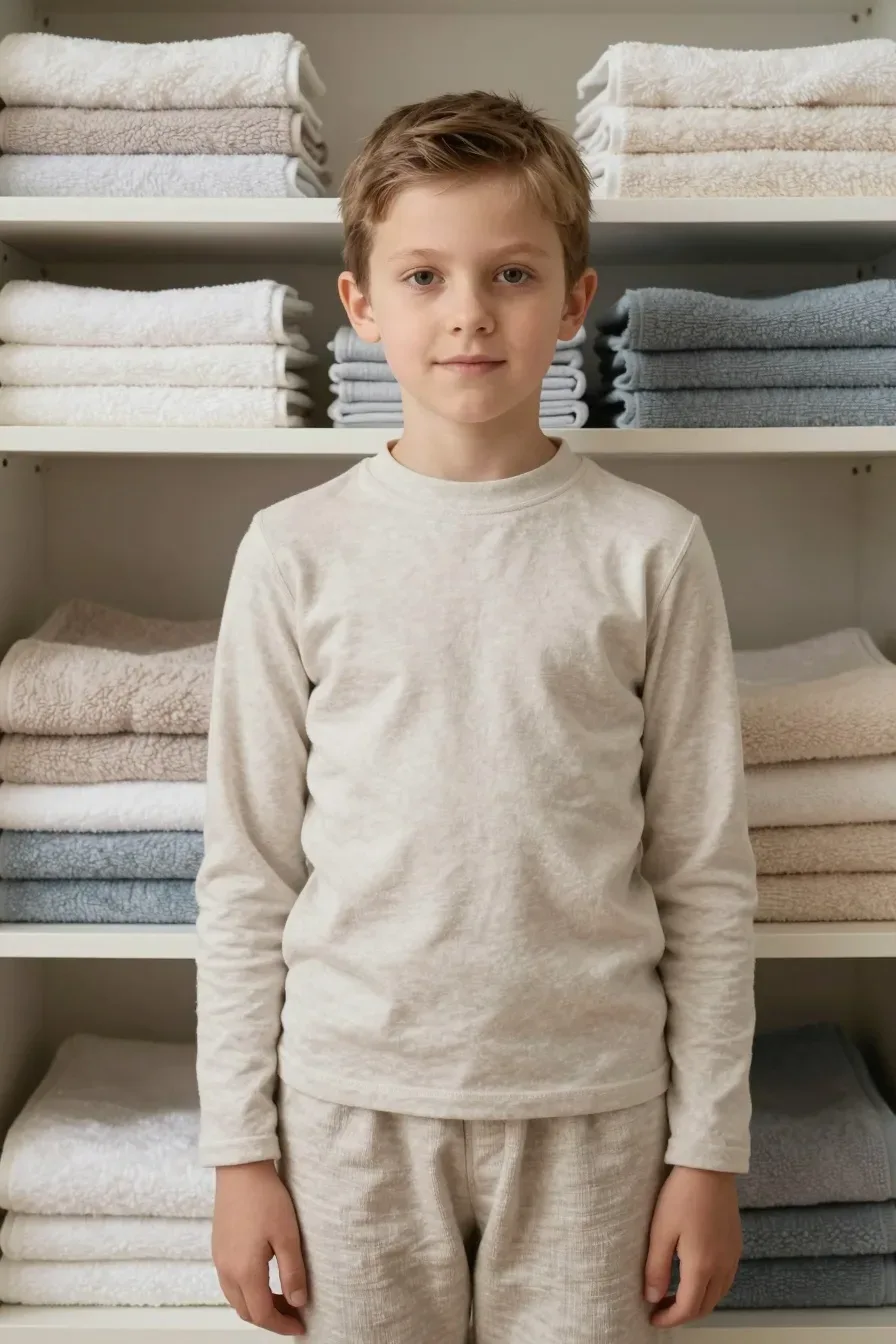
3. Worn-out towels and linens
What to remove: towels with thinning fabric, holes, or bad smells; old sheets you never use. These take up linen closet space and collect dust. Replacing them with a few good, cotton options boosts bathroom and bedroom ease.
Sort by usage: daily towels, guest towels, and rags. If you wouldn’t pick it today, it goes. You’ll enjoy a calmer closet and fewer endless laundry loads.
4. Worn-out clothes
What to remove: Clothes that don’t fit, never flatter you, or are stained beyond repair. These hug space without bringing joy or function. A smaller wardrobe makes shopping and getting dressed simpler.
Try a 30-day rule: if you haven’t worn it in a month, it’s a cue to part with it. Keep a small pile for donation and another for alterations if you truly love an item. You’ll gain room for outfits you actually wear.
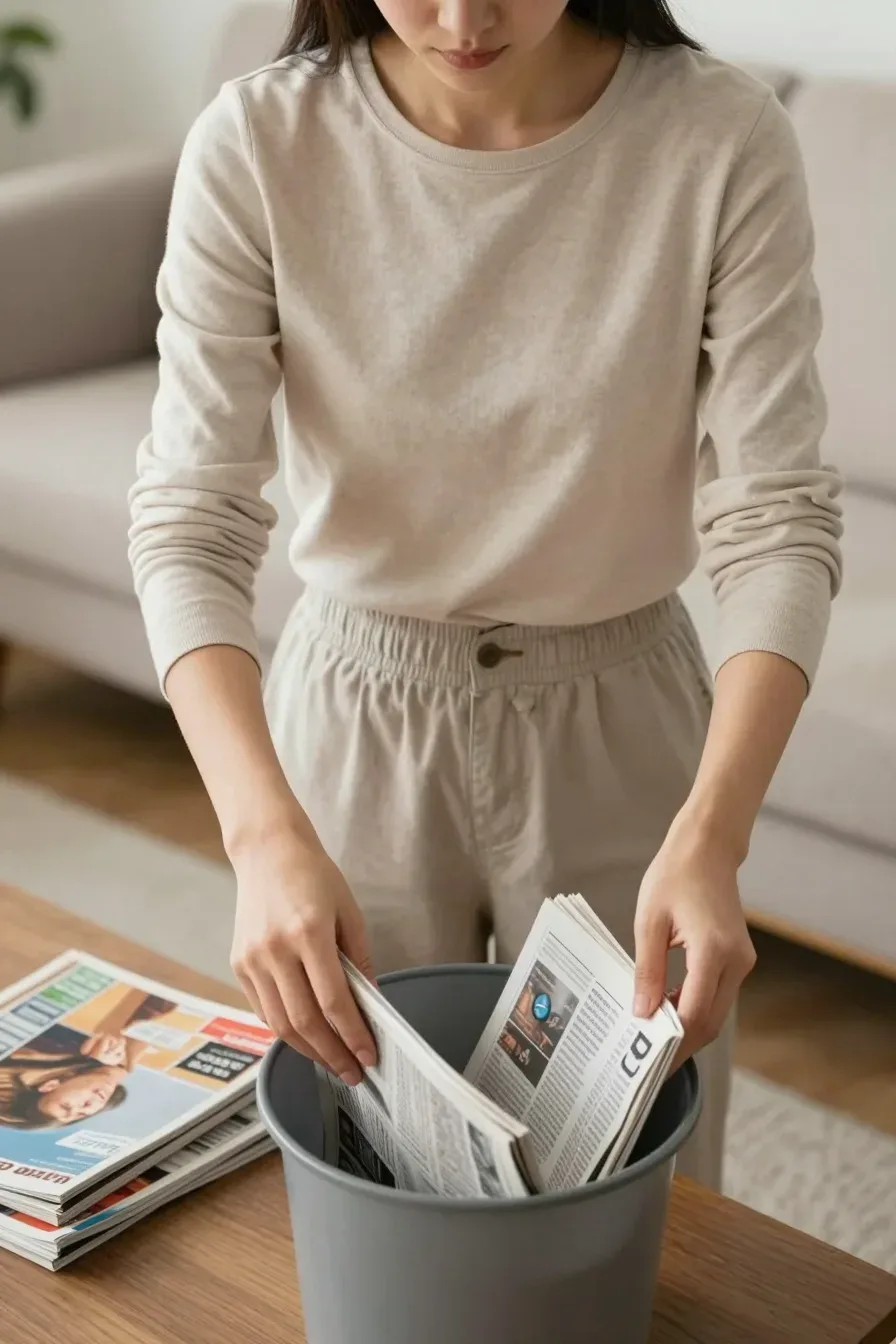
5. Old magazines and newspapers
What to remove: Stacks of outdated issues and clippings. They create visual noise and are rarely read. Digital copies or a quick monthly scan can replace physical copies.
Commit to a monthly declutter habit: recycle what you don’t need immediately, keep a small file for important articles, and digitize articles you want to save. A lighter living room shelf reduces stress instantly.
6. Duplicates of kitchenware
What to remove: Extra spatulas, measuring cups, and baking sheets you don’t actually use. Duplicates clog cabinets and complicate cooking. Keep the few you rely on daily and donate the rest.
Line up essentials on one shelf and stash the rest in a donation box. After a month, revisit to see if you truly needed more than the basics. You’ll feel faster in the kitchen with less clutter.
7. Unused decor and knick-knacks
What to remove: Decorative items that don’t reflect your current style or bring joy. Too many pieces create visual chaos and make rooms feel smaller. A calmer surface highlights your favorite items.
Choose a few you love and rotate seasonally. Store the rest out of sight and keep only what makes you happy to see. The room will look more polished and intentional.
8. Expired cosmetics and skincare
What to remove: Old makeup, skincare past its shelf life, and broken containers. They can irritate skin and clutter drawers. Fresh products feel nicer and are safer to use.
Check expiration dates and toss anything you wouldn’t use on your face today. Wipe shelves clean and organize by routine (daily, weekly, occasional) for easy access. You’ll save time and reduce waste.
9. Too-small or uncomfortable seating
What to remove: Chairs or cushions that are worn, stiff, or used as storage. They take up space without inviting comfort. A small, comfy setup invites you to relax more often.
Offer to friends or donate items in good condition. If you keep one cozy chair, ensure it has a clean, simple surround. The living area becomes a real retreat rather than a storage spot.
10. Old electronics and cords
What to remove: Chargers, cables, and outdated gadgets that no longer work. They tangle around desks and end up in a drawer forever. Replacing mismatched cords with labeled sets helps lots.
Sort cables into labeled bins and recycle or donate old devices responsibly. You’ll reduce frustration when you plug in and know where everything is. A tidy tech corner feels much calmer.
11. Papers you don’t need
What to remove: Receipts, manuals, old warranties, and random papers. Paper piles create mental noise and slow you down. A simple filing system keeps important stuff handy.
Go through a small stack at a time, toss what’s irrelevant, and scan only what you truly want to keep. Create a digital folder for receipts and a physical file for essential documents. The desk stays clear and focused.
12. Clothes you outgrew
What to remove: Items from a past size or style you never plan to wear again. They stop you from building the wardrobe you want. Clearing them makes room for pieces that fit your current life.
Donate or consign items in good shape, and set a rule for future clothes: if it’s not worn in six months, it goes. You’ll feel lighter and more confident in outfits you actually enjoy.
13. Shoes you never wear
What to remove: Pairs you can’t walk in or haven’t worn in a year. Shoes take up a lot of space and accumulate dust. Keeping a lean pair list helps your feet and your closet breathe.
Try a “one in, one out” habit for new pairs. Keep only a few reliable options for different activities. Your closet will look more organized and easier to navigate.
14. Old cleaning supplies
What to remove: Nearly empty bottles and products that don’t work well. They clutter shelves and may miss-use on surfaces. Fresh, simple products keep cleaning quick and effective.
Match cleaners to tasks and dispose of empty containers. Refill or replace with a single multi-surface product if you like. A tidy cleaning closet speeds up chores and keeps your home healthier.
15. Junk mail and catalogs
What to remove: Regular donations of mail that never get opened. Paper clutter tends to accumulate fast. Reducing it saves time and mental space.
Set up a quick unsubscribe routine and use a reusable mail bin to catch the junk. A calmer mailbox reduces daily stress and helps you focus on real tasks.
16. Unneeded kitchen towels and rags
What to remove: Towels you never touch or use as dust cloths. They add bulk and dust to corners. Keep a small, practical supply and store them neatly.
Rotate one in use, one in storage, and one for quick spills. The kitchen looks cleaner, and you’ll reach for the right towel faster when cooking or cleaning.
17. Old bedding decor
What to remove: Bed throws, decorative pillows, or quilts you don’t use anymore. They can turn a bed into a crowded focal point. Lighter layers help bedrooms feel calm and inviting.
Choose a few favorite pieces and pack the rest away. A simpler bed setup makes it easier to clean and keeps the room feeling restful.
18. Books you won’t reread
What to remove: Books you’ve already read or don’t plan to read again. They stack up and hold back shelf space. A well-curated shelf shows your current interests.
Keep a “to-read” shelf and donate the rest to a library or charity. You’ll gain room for new reads and a space that supports focus when you relax.
19. Seasonal decor you don’t love
What to remove: Seasonal items that no longer feel right or take up year-round space. Rotating decorations can still be fun with fewer pieces. This makes holidays feel special again.
Store a small set of favorites and rotate them with the season. Each room stays fresh without looking crowded or chaotic.
20. Old tech manuals
What to remove: Manuals for devices you’ve replaced or no longer own. They clutter shelves and are rarely needed. Digital manuals save space and are easy to find when needed.
Keep only essential, currently used manuals in a small binder or digital folder. This clears shelf space and makes tech areas easier to manage.
21. Travel souvenirs you don’t love
What to remove: Keepsakes that don’t bring joy or memories. They can crowd surfaces and distract from real favorites. Keeping only meaningful items makes rooms feel more you.
Choose a few tokens that truly spark joy and store the rest out of sight or donate. Your shelves will feel lighter and more intentional.
22. Gifting items you never used
What to remove: Gifts that didn’t fit your life or taste. They add clutter and pressure to use them. Be honest with yourself about what serves you now.
Consider returning items, donating, or swapping with a friend who will use them. Clearing these items frees up mental energy and makes room for things you truly enjoy.
FAQs
How do I start a 15-minute daily declutter routine?
Set a timer for 15 minutes and pick one area to focus on. Start with a space that feels heavy, like a kitchen drawer or a closet shelf. You’ll be surprised how much you can finish in a short burst and how quickly momentum builds.
What if I feel attached to many items?
Acknowledge the attachment, but ask if the item still brings value or joy. If yes, keep it; if not, consider a compromise like photographing it to keep the memory without the physical object. This keeps your space aligned with your present life.
Is it okay to keep some clutter in small spaces?
Small spaces work best with clear zones for each activity. If clutter keeps creeping back, set a daily 5-minute reset to put things away. Small, consistent habits beat big, sporadic cleanups every time.