How to Clean Windows Super Fast (Streak-Free Every Time)

Cleaning windows quickly without leaving streaks is a common task many of us want to master. The key is using the right tools, a simple routine, and a few clever tricks that cut down on effort while delivering a clear, sparkling finish. This guide shares practical steps you can apply in your home or office, with real-world tips that actually work. You’ll learn how to prep, what products to use, and how to finish in a fraction of the time you might expect.
1) Gather quick, reliable supplies
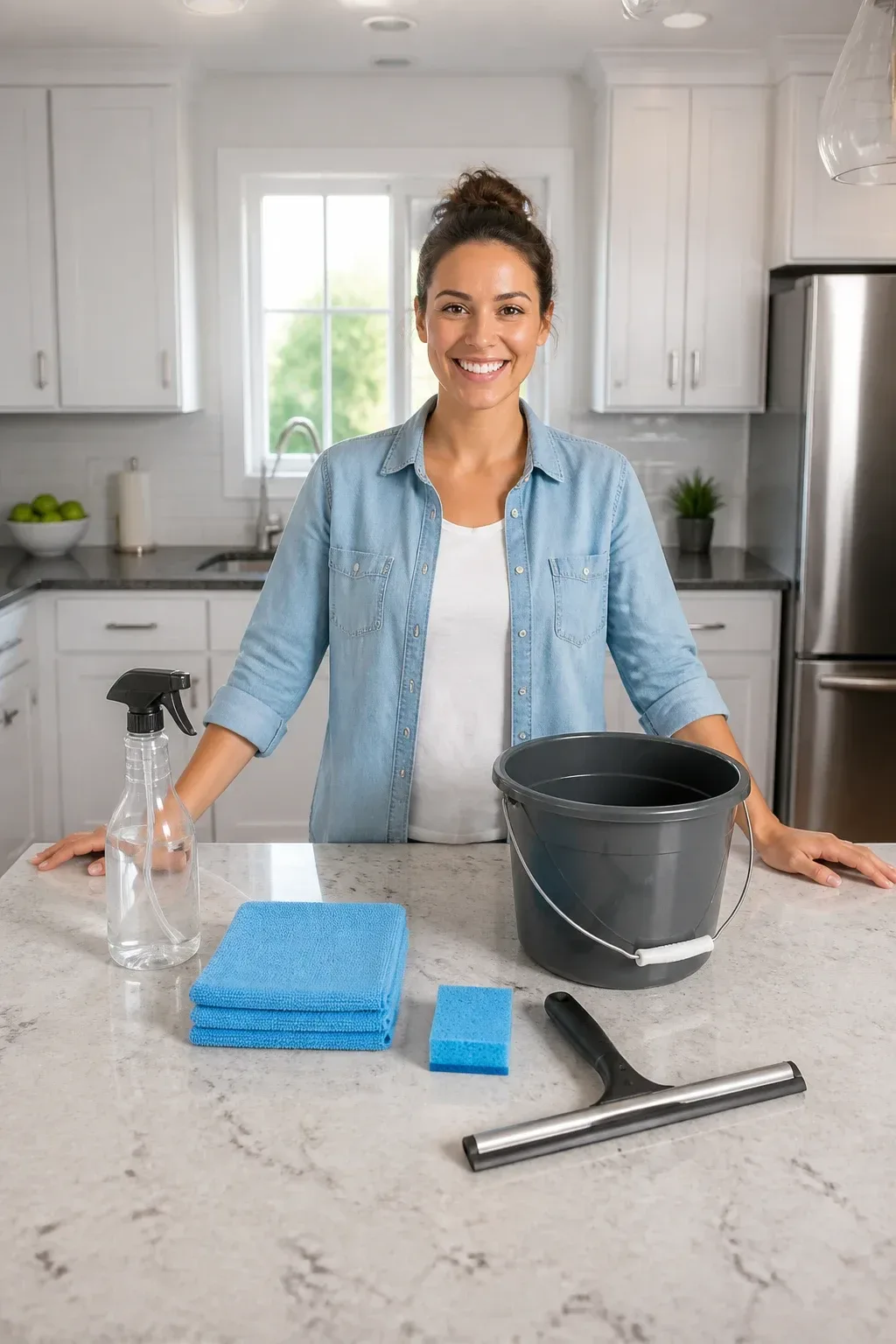
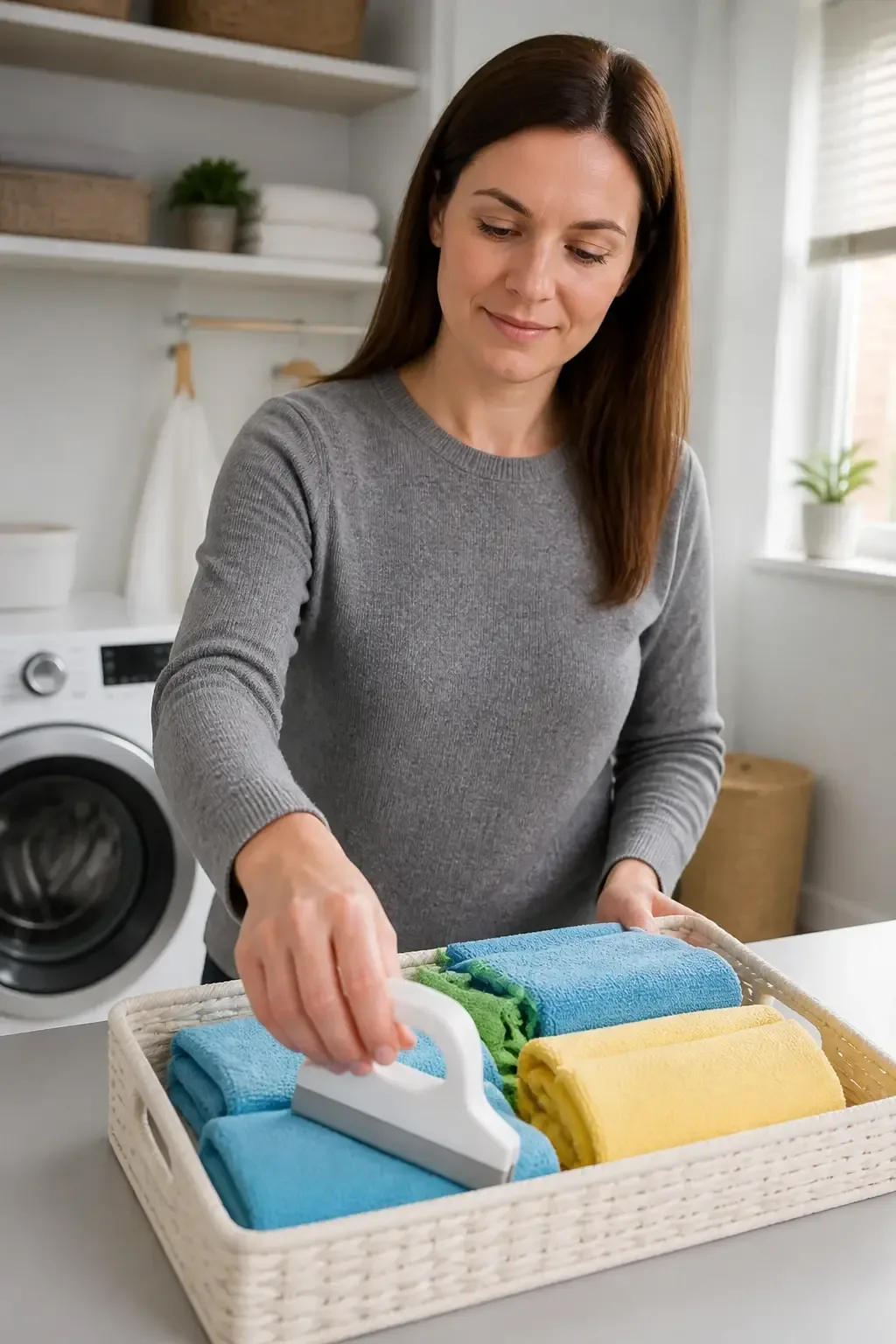
Before you start, gather a few dependable items: a squeegee, microfiber cloths, a spray bottle, a bucket, a sponge, and a mild cleaning solution. Keeping everything within arm’s reach helps you move fast and avoid trips to the pantry. Choose a microfiber cloth because it picks up dirt without leaving lint. A small squeegee with a comfortable handle makes it easy to cover large panes quickly. This simple setup sets a fast pace from the first stroke.
2) Use the right cleaning solution
A good window cleaner should cut through dirt without leaving film. A simple mix of water and a splash of dish soap works well for many homes, especially if you don’t want harsh chemicals. For glass that’s already fairly clean, plain water can do wonders when combined with a microfiber cloth and steady wiping. If you prefer ready-made products, look for ammonia-free formulas labeled safe for glass. Avoid products that leave a residue or require heavy rubbing to remove grime.
3) Prep the window and remove dust
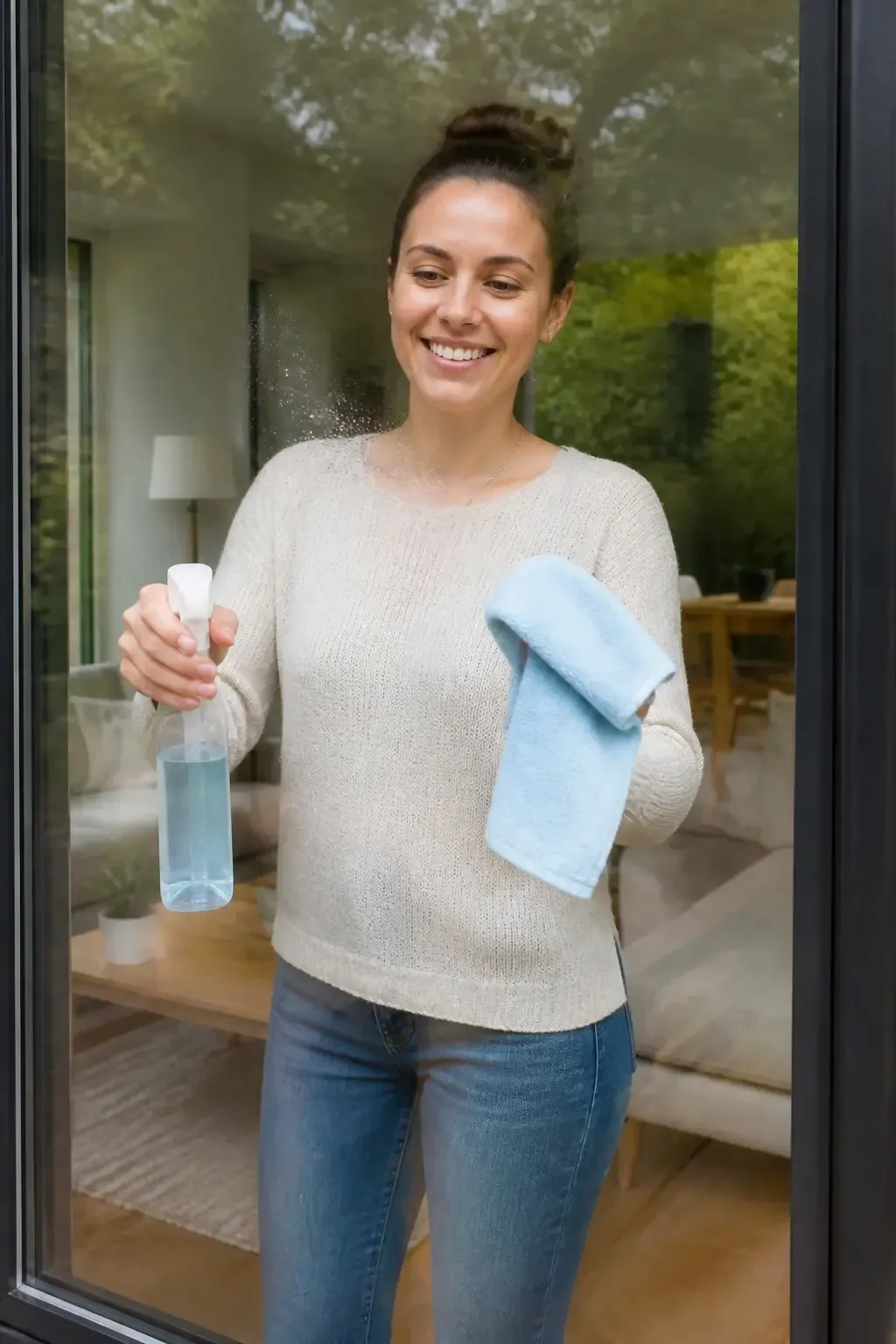
Dusting the window frame and sill before you wash helps keep dirt out of the cleaning solution. A quick sweep with a dry microfiber cloth or a duster can prevent dirt from turning into stubborn streaks. If you’re dealing with heavy buildup, a pre-wash with a damp cloth helps loosen grime. Removing loose dust first saves you time during the more intensive cleaning stage.
4) Decide on a cleaning method that fits your window type
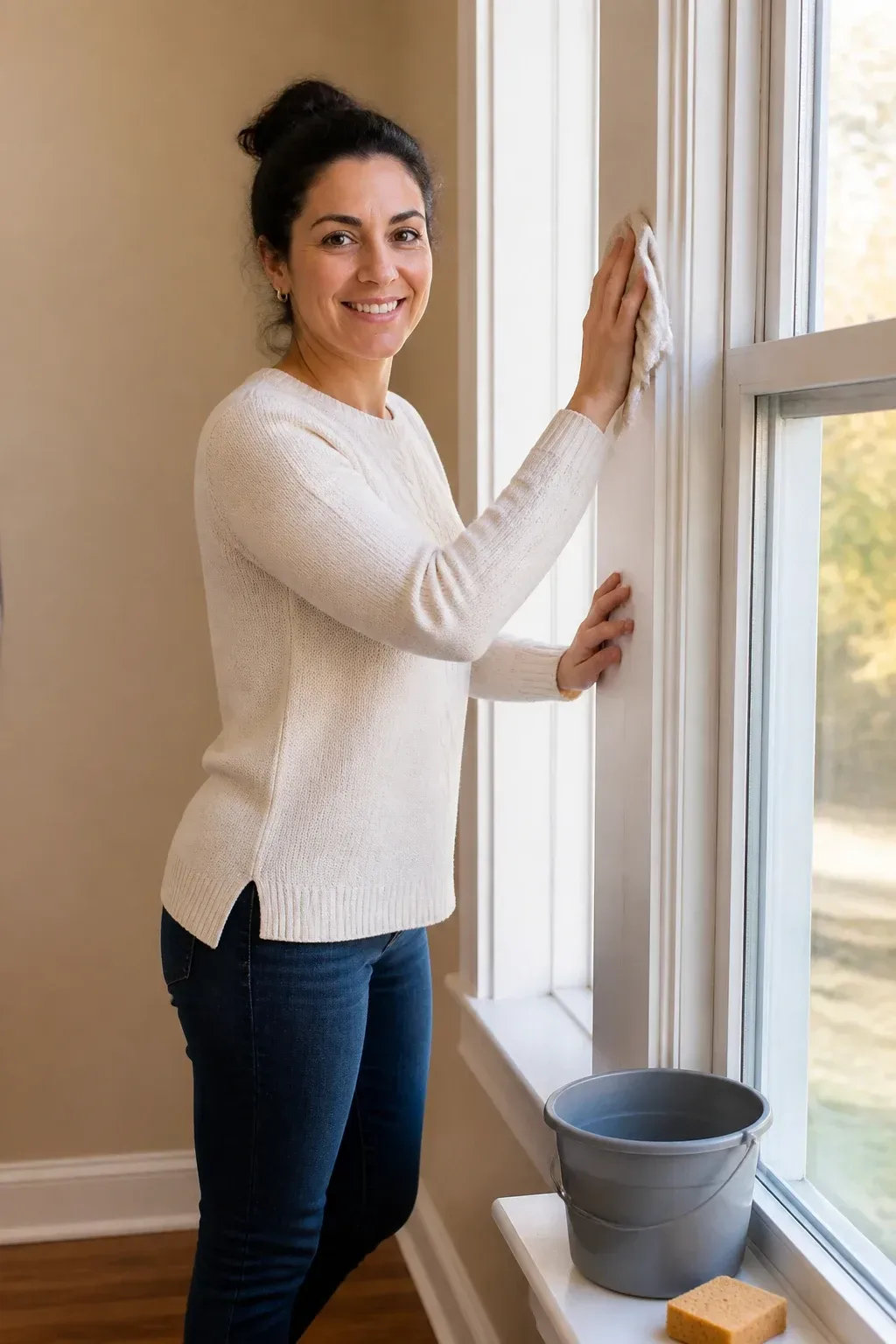
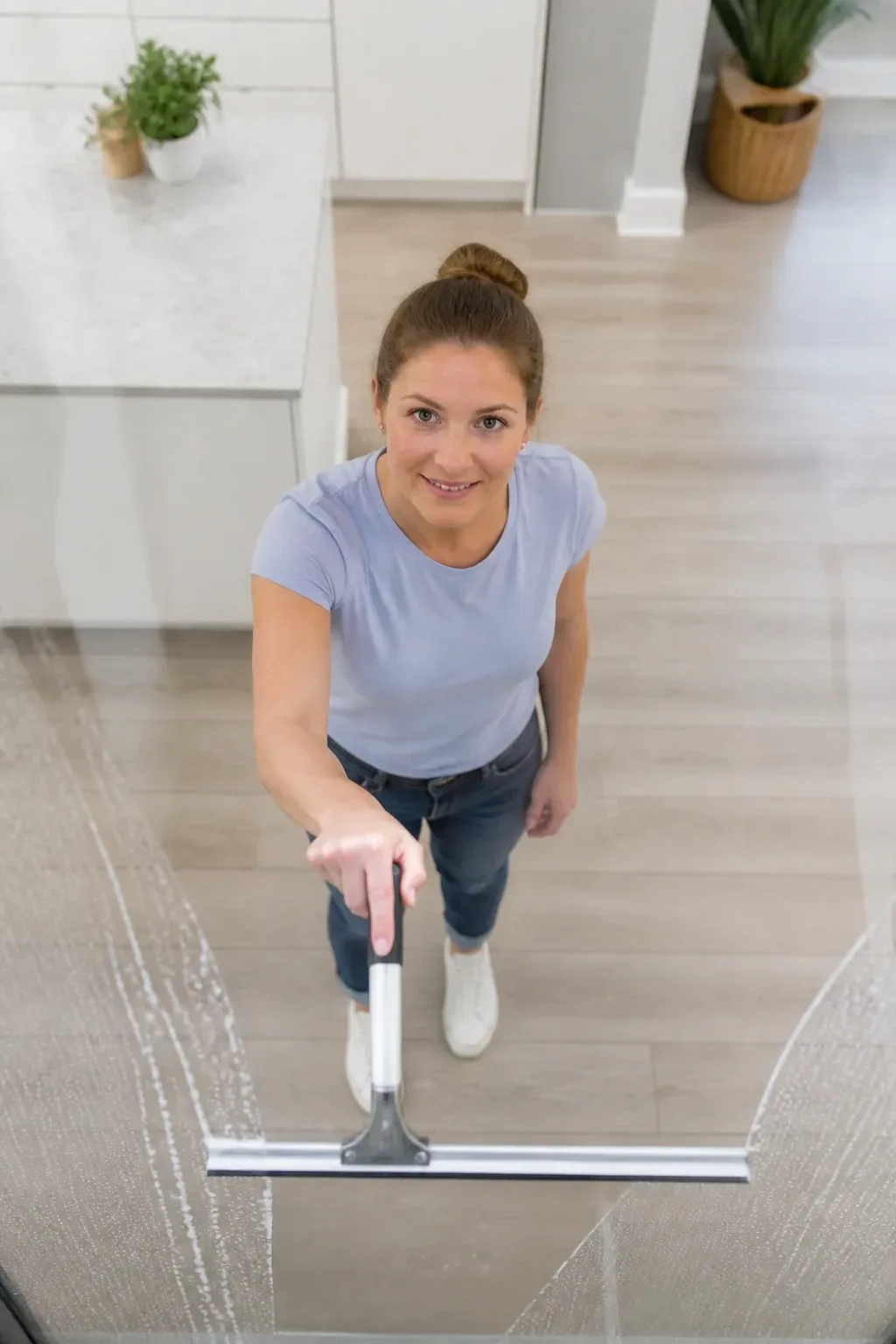
Different windows respond to different methods. Sliding glass doors and large panes are often easiest with a squeegee technique, moving from top to bottom in a smooth arc. Small or textured panes may benefit from a microfiber wipe followed by a quick squeegee pass to catch any remaining water. If you have double-paned windows, avoid excessive rubbing to prevent damage to the seal. Tailor your method to the glass for fast, safe results.
5) Master a fast squeegee technique
Hold the squeegee at a slight angle and pull in a straight line from top to bottom for each pass. Wipe the blade with a cloth after every stroke so you don’t smear dirt across the pane. Overlap each stroke slightly to ensure you don’t miss spots. Finish with a final light pass from top to bottom to catch any remaining droplets. Practicing this routine reduces streaks and speeds up the process significantly.

6) Wipe edges and corners for a truly streak-free finish
Water droplets tend to cling to the edges of the glass. After the main passes, use a clean, dry microfiber cloth to wipe along the top and bottom edges, corners, and around any window frames. A quick dab in the corners helps prevent smears from drying water. This finishing touch makes the entire pane look crisp and polished in less time.
7) Drying tricks that prevent streaks
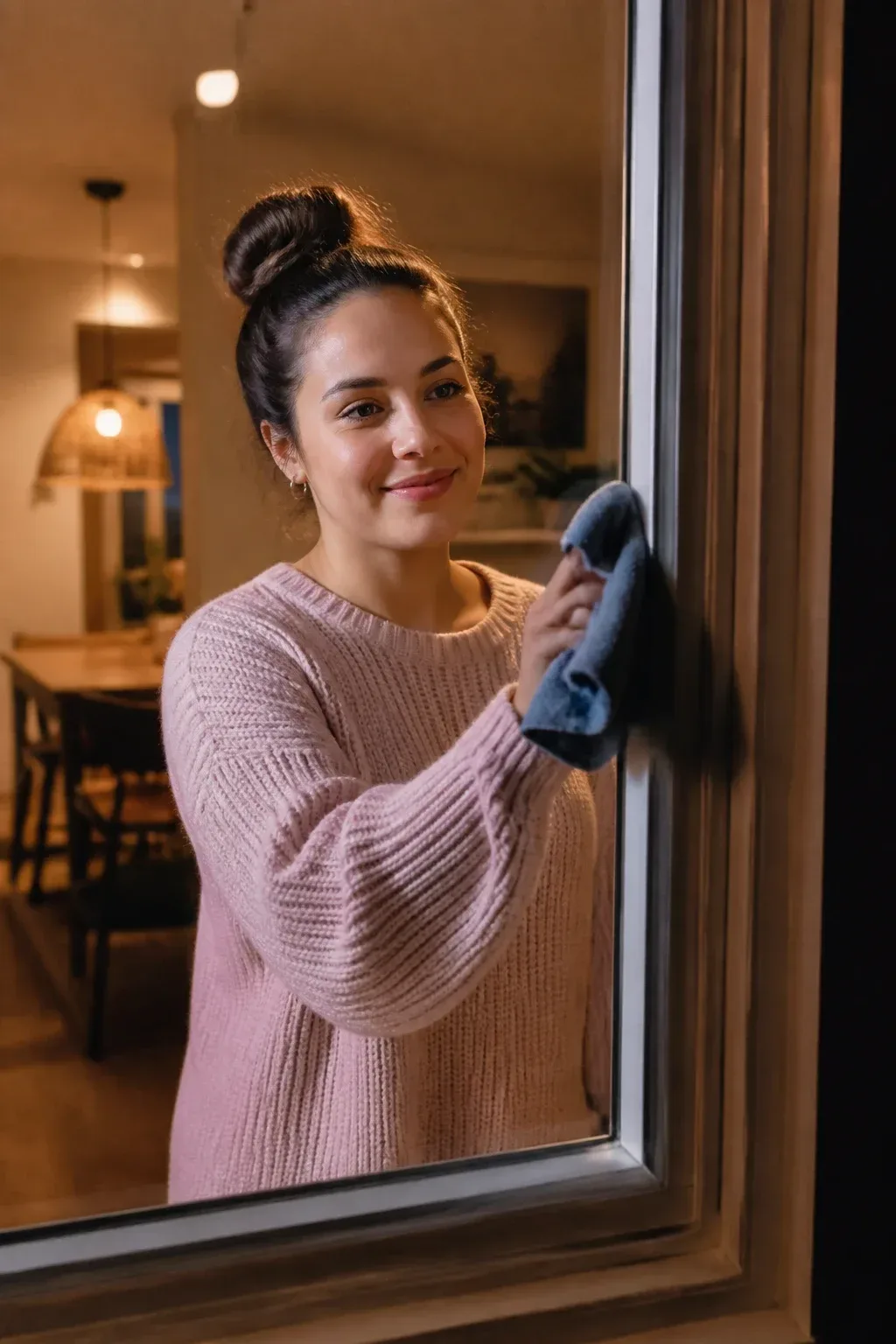
Choosing the right drying technique is essential. Wipe the window with a dry cloth immediately after the final squeegee pass to remove remaining moisture. You can also use a microfiber tool designed for drying; some people prefer a quick, light wipe with a dry cloth to prevent water spots. If you live in a hard water area, consider wiping with a slightly damp cloth after drying to remove mineral residues that cause streaks over time.
8) Work from top to bottom and one pane at a time
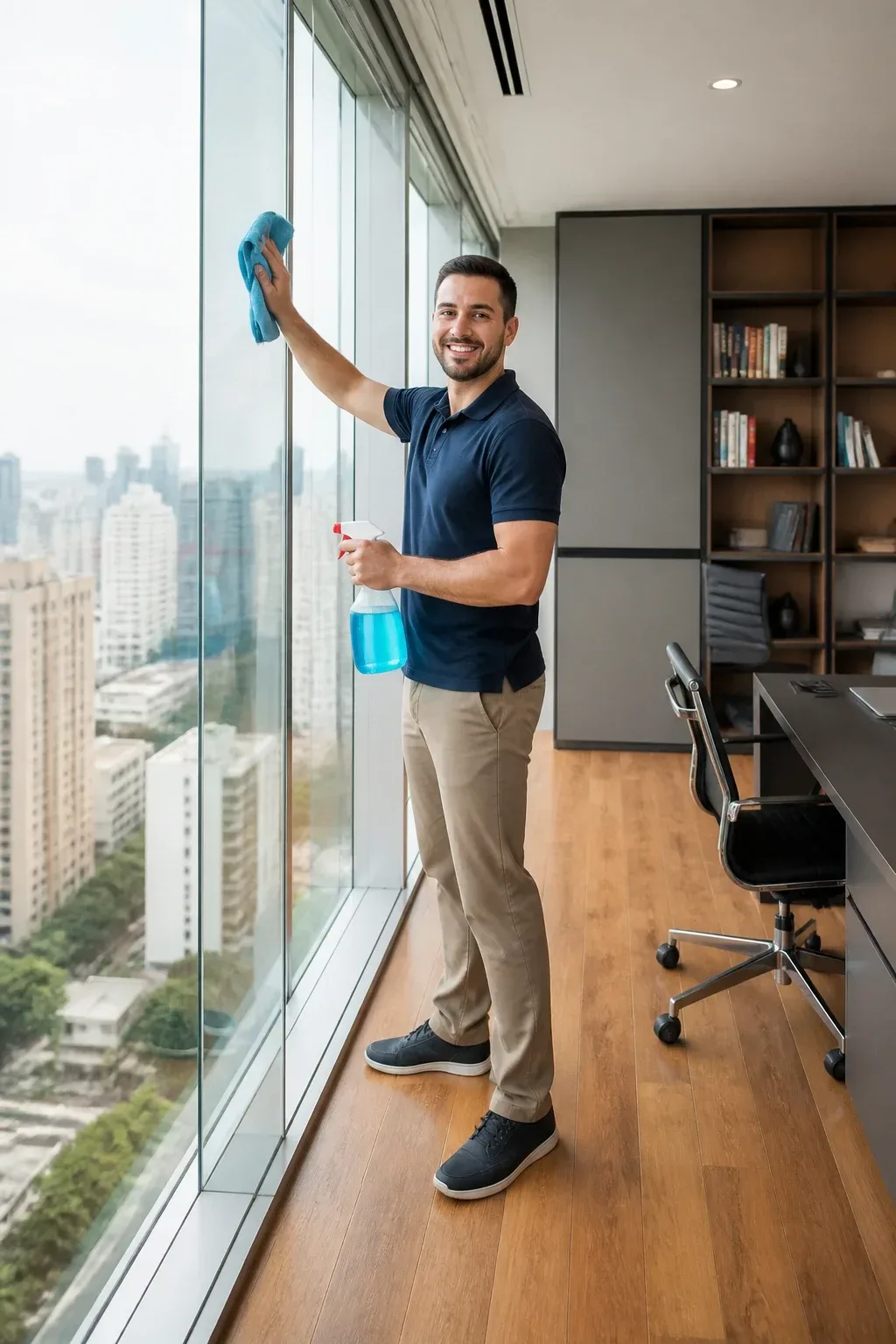
Streaks often happen when you bounce between panes. Working methodically from the top row to the bottom helps prevent drips and makes the process faster. Focusing on one pane at a time ensures you don’t miss spots and keeps your workflow smooth. A calm, steady rhythm beats rushing through multiple panes at once and reduces rework.
9) Use heat for a faster, cleaner finish (careful with heat)
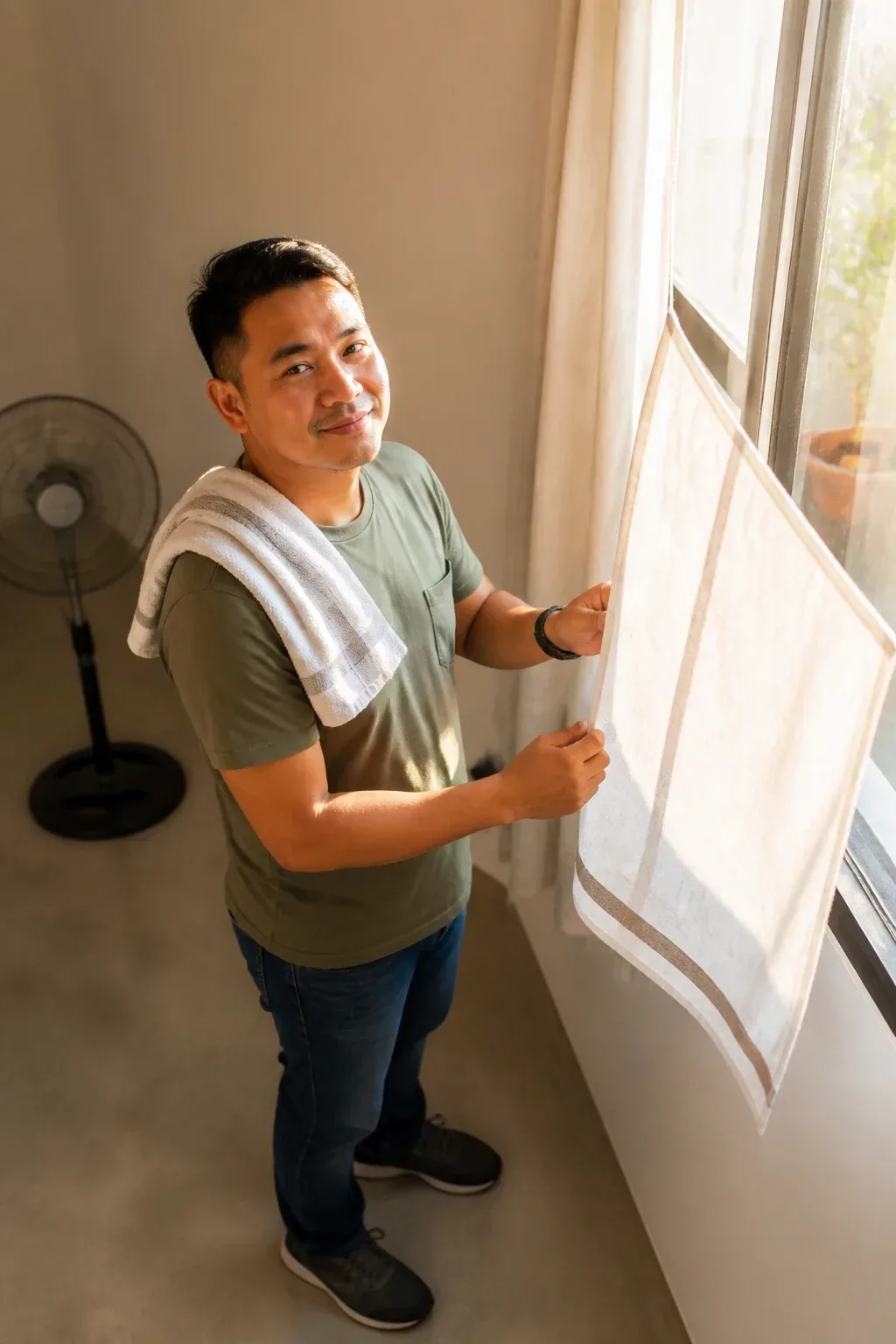
Warm air can help dry windows faster and reduce streaks. If you’re cleaning on a sunny day, it’s already warm, which can help with evaporation. Don’t use hot or boiling water because it may damage coatings or seals on some windows. A safe approach is to use room-temperature or warm water and let the sun’s heat speed up drying naturally.
10) Tackle tricky spots with simple tricks
Dragon-style streaks near hinges, handles, or decorative details can be stubborn. For these areas, spray a tiny amount of cleaner on a microfiber cloth and gently wipe in small circles. If you encounter bird splatter or tough smudges, a light soap solution followed by a thorough rinse works well. Remember to dry immediately after to prevent lingering marks.