How to Get a Snake Plant to Bloom
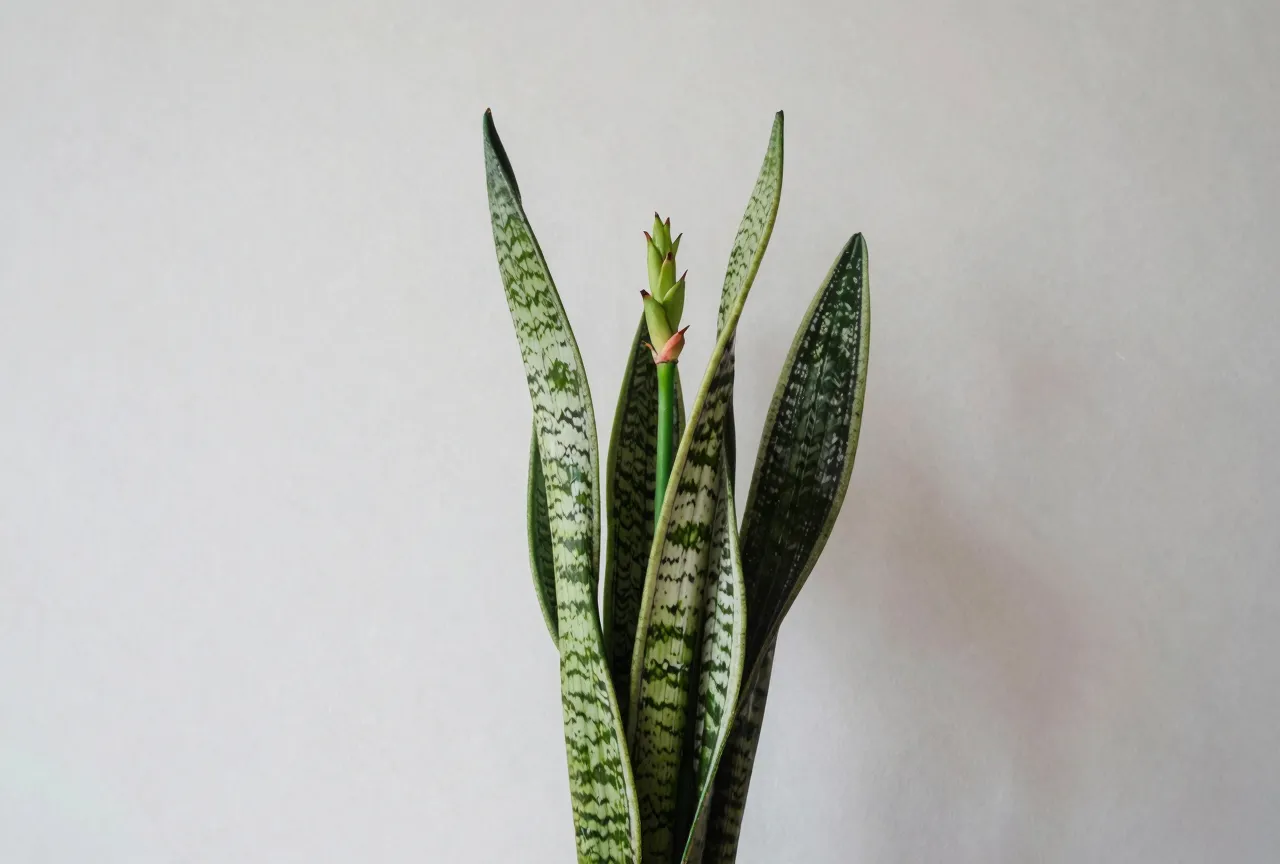
Snake plants are sturdy, room-friendly performers, but blooming can feel like a rare event. With the right care tweaks, you can coax your plant to put on a subtle, premium bloom. This guide walks you through eight practical steps that focus on light, water, soil, and overall plant health to encourage flowering without stressing the plant.
1. Increase Bright, Indirect Light
Snake plants bloom best when they receive strong, indirect light. If your plant sits in a dim corner, move it closer to a bright window, but avoid harsh direct sun that can scorch leaves. Consistent light helps the plant build energy for flower production, so aim for several hours of bright, indirect light daily. Keep an eye on signs of too little light, like slower growth, and adjust position as needed.
2. Offer Seasonal Temperature Consistency
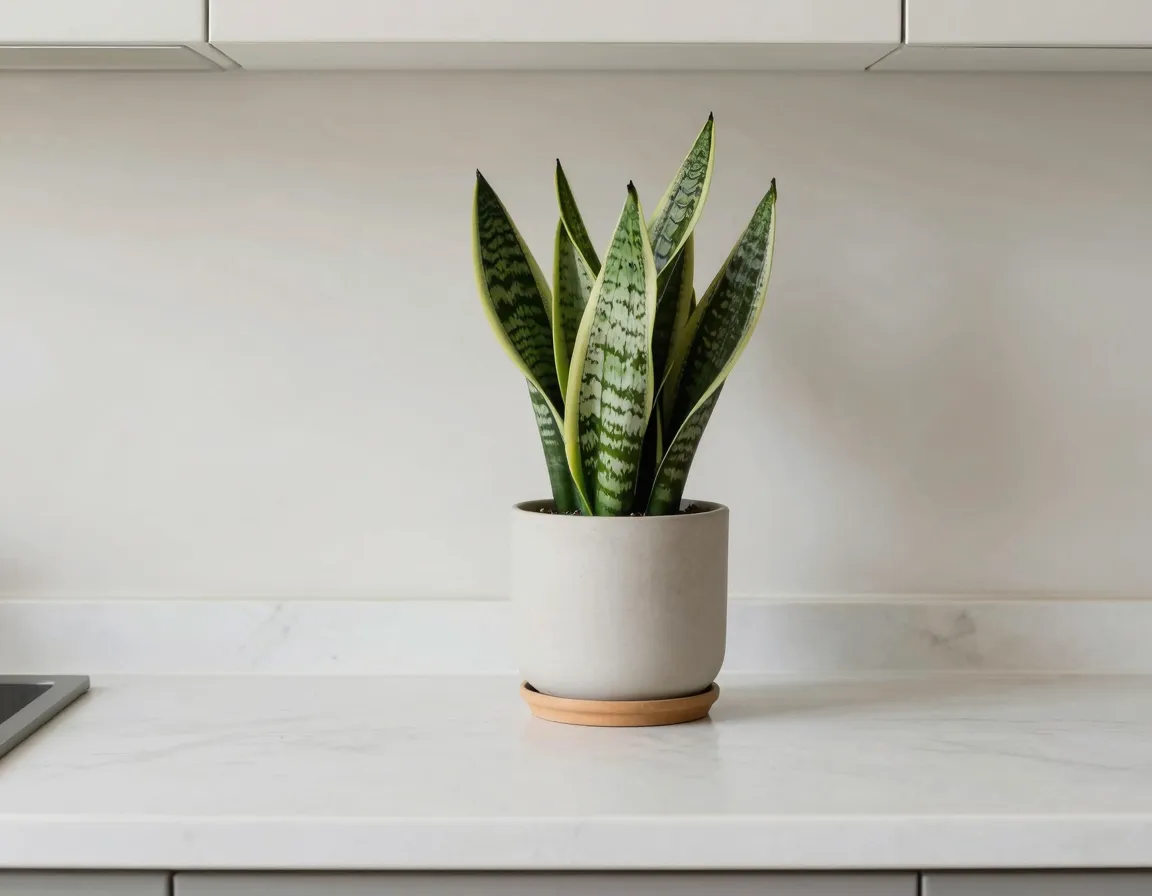
Flowering is more likely when the plant experiences steady temperatures. Aim for daytime temperatures around 70-90°F (21-32°C) and keep nights above 60°F (15°C). Avoid abrupt swings or cold drafts from open windows or AC, which can stress the plant and suppress blooms. A stable environment supports energy allocation toward blooms rather than stress responses.

3. Use Appropriate Potting Mix and Fat-Free Root Space
Choose a light, well-draining potting mix and a pot with drainage holes. A mix labeled for cacti or succulents works well because it dries quickly and reduces root rot risk. Snake plants don’t need deeply rich soil; they prefer airier roots. Repot only when the plant has clearly outgrown its pot, and use a container that offers room for root expansion without staying constantly soggy.

4. Moderate, Consistent Watering
Water sparingly and let the soil dry between drinks. Overwatering is a common bloom killer, as it promotes root problems that drain energy away from flowering. In general, water every 2–4 weeks depending on room temperature and light; always check the top inch of soil—if it’s dry, it’s time to water. During cooler months, scale back even further to keep roots healthy without encouraging rot.
5. Feed Strategically to Support Bloom Energy
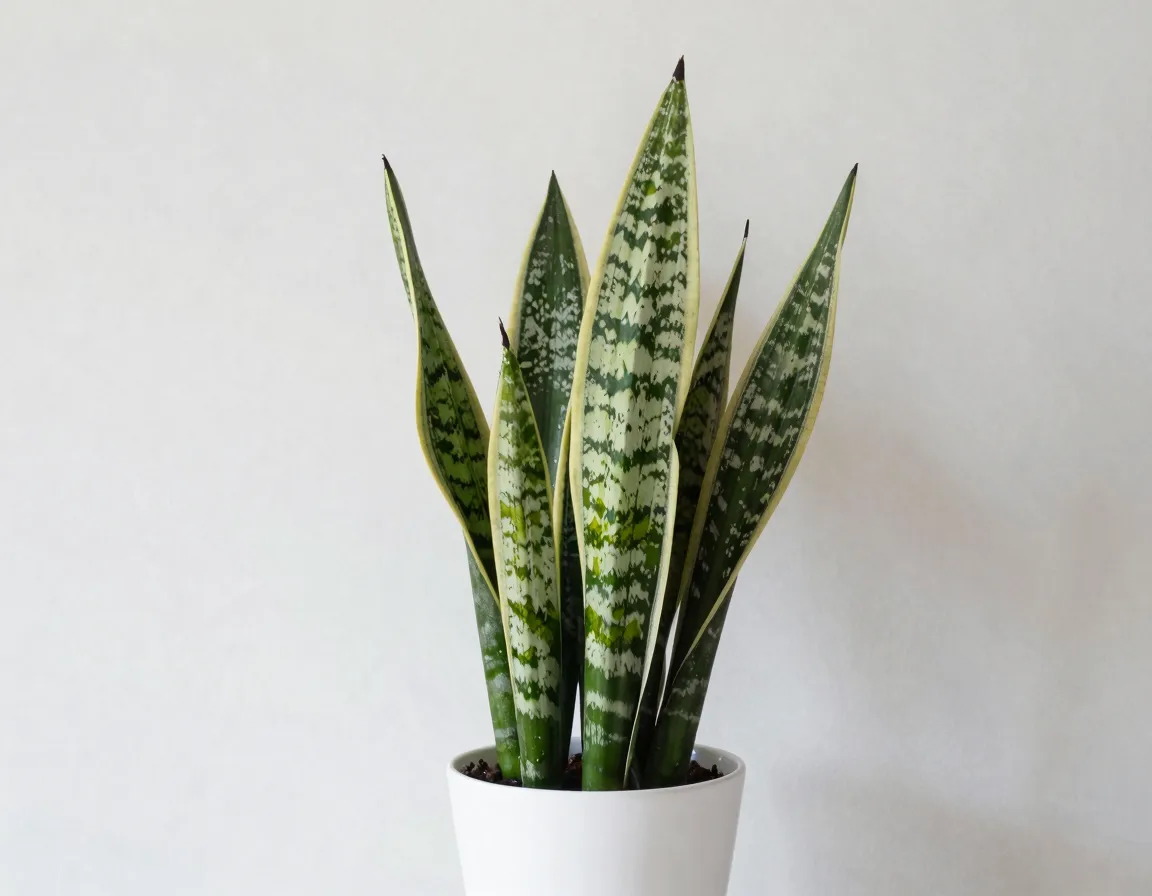
Use a balanced, water-soluble fertilizer at a half-strength rate during the growing season. A formula with equal or slightly higher nitrogen and potassium supports leaf growth and bloom development. Don’t overfeed, as excess nutrients can push mostly foliage at the expense of flowers. Stop fertilizing in the winter when growth slows to avoid stressing the plant.

6. Encourage a Dormant Rest Period
Snake plants often bloom after a short period of rest or slight stress that signals the end of a growth burst. If your plant has been thriving indoors, give it a light rest by slightly reducing water and keeping it in bright, steady light for a few weeks. This mimicry of a seasonal cycle can prompt the plant to allocate energy toward flowers when new growth resumes.

7. Dust Leaves and Improve Air Circulation
Clean leaves gently with a damp cloth or soft brush to maximize photosynthesis. Dust can block light and slow growth, reducing bloom potential. Ensure the plant has good air movement around it; poor airflow can lead to humidity pockets that invite problems. Clean leaves and steady airflow help the plant focus energy on flowering rather than fighting off issues.

8. Be Patient and Observe Bloom Signals
Snake plants may take months to bloom, especially after changes in care. Look for signs of new growth or a flower stalk emerging from the crown. Once a bloom stalk appears, provide consistent care through its development. Patience pays off when you see the first elegant bloom emerge, often as a tall, pale flower spike with subtle green tones.

Final Thoughts
Getting a snake plant to bloom is about steady, balanced care and a touch of seasonal rhythm. Focus on bright, indirect light, careful watering, and healthy soil, while avoiding extremes. With consistent practices, you’ll create the conditions that help your snake plant reward you with a tasteful bloom when the time is right.
Frequently Asked Questions
Why won’t my snake plant bloom even though it looks healthy? Blooms are often tied to light, rest periods, and overall plant energy. If light is too weak or the plant is overwatered, it may stay green and leafy without flowering.
How often should I fertilize a snake plant for blooming? Fertilize at half strength during the growing season, about every 4–6 weeks. Avoid heavy feeding in winter when growth slows to prevent stressing the plant.