9 Meditation Practices That Boost Your Manifestation Energy (Transform Your Mindset Naturally)

If you’ve tried to set goals but feel stuck, you’re not alone. Small, steady meditation habits can shift how you think, feel, and act. This guide shares nine practical practices you can start today to raise your manifestation energy and transform your mindset in simple, everyday steps.
1. Gentle breath awareness for clear intention
Breath work is a powerful doorway to focus. Start with a simple inhale through the nose for four counts, pause, then exhale for six counts. As you breathe, gently observe the thoughts that arise without judging them, returning your attention to the breath. Over a few minutes, you’ll feel calmer and more connected to a clear intention for your day. This practice creates a quiet mental space where manifestations begin to feel possible.

2. Visualization with sensory detail
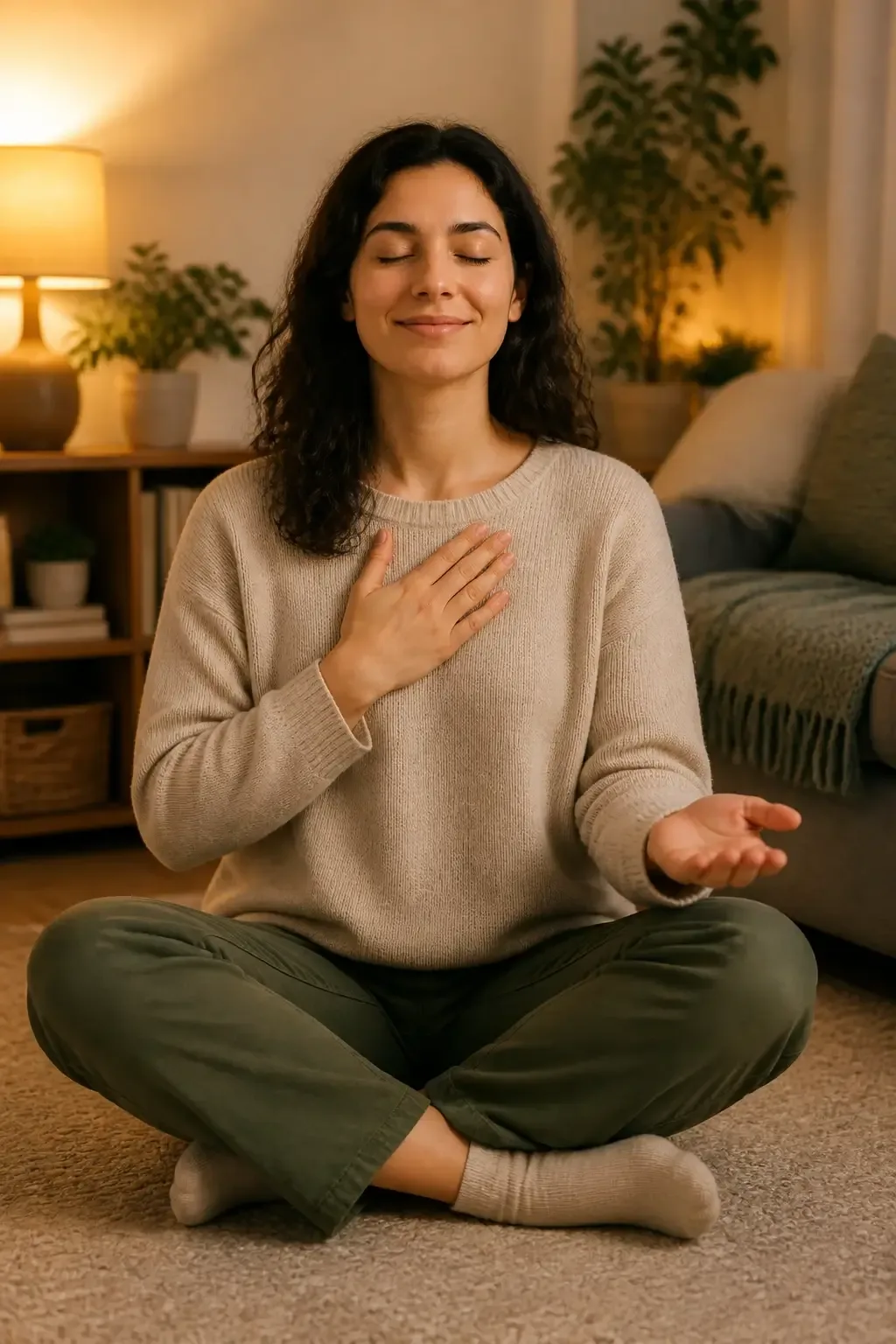
Visualization isn’t about wishing; it’s about feeling like you already have what you want. Sit comfortably, close your eyes, and picture a specific goal in as much detail as possible—where you are, who is with you, what textures you notice, what sounds you hear. Engage your senses: the smell of fresh air, the warmth of sunlight, a soft texture in your hands. Visualizing with vivid detail can help align your emotions and actions with your goal, making it easier to take concrete steps toward it.

3. Gratitude meditation to invite abundance
Gratitude shifts your energy from lack to abundance. In a quiet moment, list three things you’re thankful for, focusing on everyday moments you might overlook. As you acknowledge each item, notice any changes in your mood or posture. Regular gratitude meditation opens your heart and can magnetize positive experiences by reinforcing a mindset that supports growth and persistence.

4. Body scan to release resistance
A body scan helps you notice where tension lives in your body and gently release it. Start at your toes and slowly move up to your head, observing sensations without judgment. If you find tightness, breathe into that area and imagine the tension dissolving with each exhale. This practice reduces stress that blocks clear thinking and helps you stay receptive to manifesting opportunities.
5. Loving-kindness meditation for relationships
Loving-kindness, or metta, cultivates positive energy toward yourself and others. Silently repeat simple phrases like “May I be happy, may you be safe, may we grow.” Extend those wishes to people who help you and even to difficult relationships. Regular practice builds a supportive inner climate, which can influence how you show up in work, family, and friendships, boosting your manifesting power.

6. Mindful walking to spark creative momentum
Move with awareness instead of rushing through tasks. Take a 10–15 minute walk, paying attention to each step, the rhythm of your breath, and the sounds around you. If a thought distracts you, gently return to the sensation of walking. This form of meditation clears mental clutter and stimulates fresh ideas, making it easier to take inspired action toward your goals.

7. Focused attention on a single daily habit
Choose one small habit to anchor your day, such as a 5-minute meditation or 2 pages of journaling. During your practice, give it your full attention and notice any resistance that appears. By consistently showing up for a tiny habit, you build confidence and create a reliable pattern that supports bigger manifestations over time.

8. Journaling meditation to map clarity and action
After a short breath exercise, write for 5–10 minutes about your goal as if it has already happened. Describe the steps you took, who helped you, and what you learned along the way. This practice combines inner insight with outward planning, turning intangible wishes into a practical roadmap you can follow.

9. SOBER reflection: silence, observation, breath, and engagement
This simple ritual blends quiet time with mindful engagement. Sit in a calm spot, observe your surroundings, take a few slow breaths, and note one actionable step you can take today. Keeping the session short but consistent helps you stay grounded and ready to act on your intentions without overwhelm. Over weeks, these tiny reflections compound into meaningful shifts in mindset and results.

Conclusion: Nine small meditation practices can reshape how you think, feel, and act toward your goals. Start with one habit this week, then add another once it feels natural. Track even tiny wins, and you’ll notice a steadier energy that aligns your mindset with your manifestations. If you want ongoing support, consider pairing these practices with a simple daily routine, like a morning stretch, a glass of water, and a quick planning session to set your intention for the day.
Frequently asked questions:
- How long should I practice each day? Start with 5–10 minutes per session and adjust as you feel comfortable. Consistency matters more than duration.
- Do I need anything special to start? No. A quiet space, a comfortable seat, and a timer on your phone are enough to begin.
- Which practice is best for beginners? Breath awareness and gratitude meditation are great starting points because they are simple and immediately calming.