Protective Hairstyles for Natural Hair: 60+ Stunning Styles to Transform Your Look in 2026
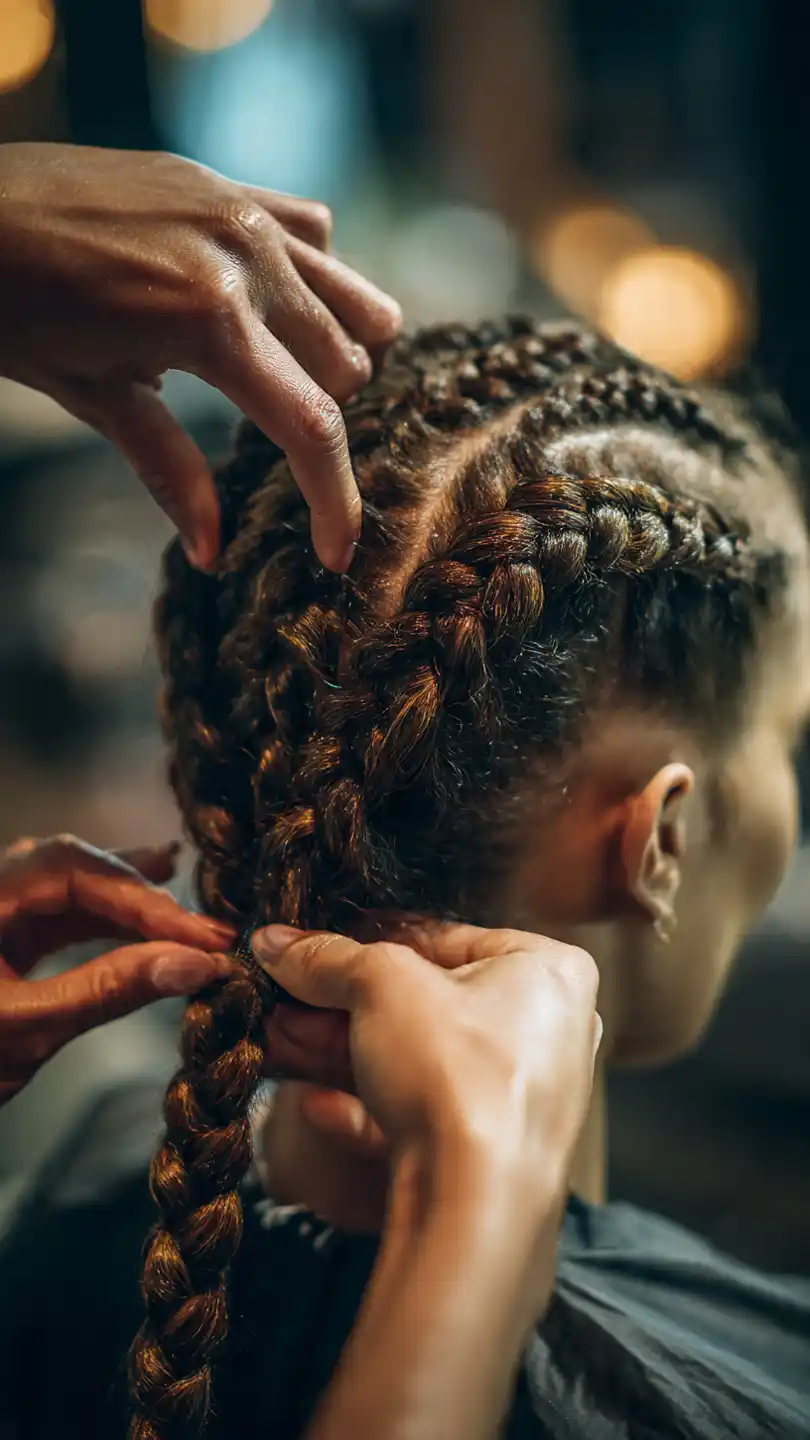
Your natural hair deserves the best care, and protective styling is one of the smartest ways to maintain healthy, thriving curls while looking absolutely gorgeous. Whether you’re growing out your hair, taking a break from heat styling, or simply want a low-maintenance routine, protective hairstyles offer the perfect solution.
What Are Protective Hairstyles and Why Do They Matter?
Protective hairstyles are styling techniques that tuck away your hair ends and minimize daily manipulation. This approach shields your strands from environmental stressors, reduces breakage, and helps retain length. Think of it as giving your hair a vacation while still maintaining a fabulous appearance.
The beauty of protective styling lies in its versatility. From elegant updos to bohemian braids, there’s a protective style for every personality, occasion, and skill level.
The Science Behind Protective Styling: Real Benefits for Your Hair
Your hair grows approximately half an inch per month, but retention is where many people struggle. Protective styles address this by:
- Reducing friction against clothing and pillowcases
- Minimizing tangles and knots that lead to breakage
- Decreasing exposure to harsh weather conditions
- Limiting the need for heat styling tools
- Preserving moisture in your strands
When done correctly, protective styling can be the difference between hair that breaks at shoulder length and hair that flourishes down your back.
60 Protective Hairstyles That Will Revolutionize Your Hair Journey
Classic Braided Styles
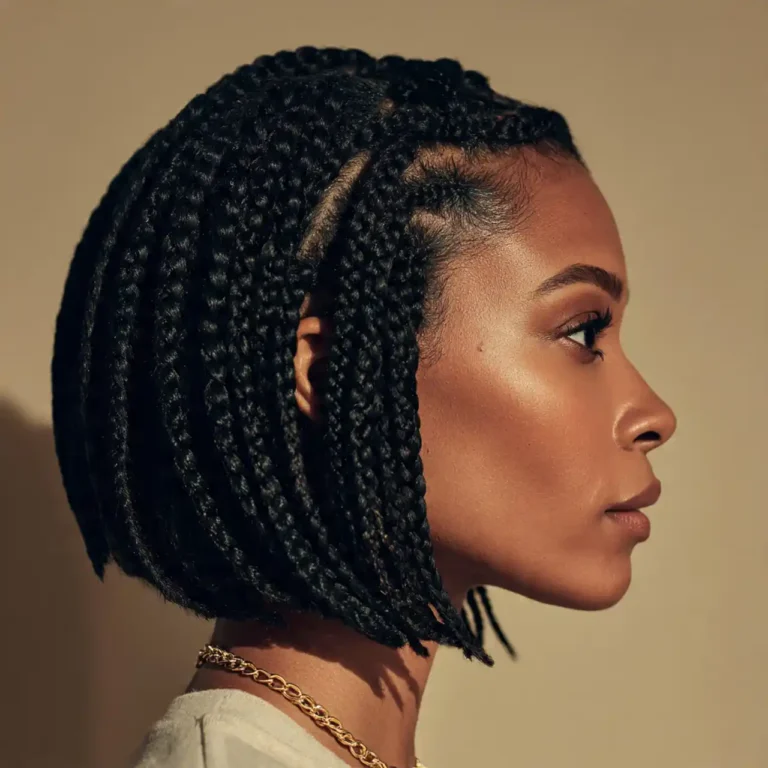
Box Braids These timeless square-sectioned braids remain a favorite for good reason. They’re versatile, long-lasting, and can be styled in countless ways. Wear them down, in a ponytail, or wrapped into an elegant bun.
Cornrows Sleek cornrows offer a clean, sophisticated look that can last for weeks. Modern cornrow designs range from simple straight-back patterns to intricate geometric designs that turn heads.
Goddess Braids Larger than regular cornrows, goddess braids create a bold, regal appearance. They’re perfect when you want the protective benefits of braiding without the time commitment of smaller styles.
Fulani Braids Characterized by thin-to-medium braids with a distinctive pattern, often featuring a center braid and beads. This West African style brings cultural richness and stunning aesthetics together.
Lemonade Braids Side-swept cornrows that flow gracefully over one shoulder create a glamorous, red-carpet-ready look suitable for any occasion.
Triangle Box Braids A fresh twist on traditional box braids, using triangular sections instead of squares for added visual interest and cleaner parts.
Knotless Braids These braids start with your natural hair and gradually feed in extensions, creating less tension on your scalp and a more natural appearance.
Feed-in Braids Similar to knotless braids, this technique creates tapered braids that look incredibly natural and put minimal stress on your edges.
Micro Braids Tiny braids that offer maximum versatility and can last up to three months with proper care. They’re time-intensive but worth the investment.
Jumbo Braids Thick, chunky braids that make a bold statement and can be installed quickly compared to smaller braid styles.
Twisted Perfection
Senegalese Twists Smooth, rope-like twists created with synthetic hair extensions that hang beautifully and move naturally with your body.
Marley Twists Using kinky hair extensions that blend seamlessly with natural textures, these twists offer a more textured, bohemian appearance.
Havana Twists Chunkier than Senegalese twists, Havana twists make a bold statement and typically install faster due to their larger size.
Passion Twists Featuring a curly texture throughout, passion twists combine the protective benefits of twisting with the romantic appeal of loose curls.
Spring Twists Pre-curled extensions create bouncy, spiral twists that add volume and personality to your protective style.
Flat Twists Similar to cornrows but using a two-strand twist technique, flat twists offer a beautiful texture and can be styled in various patterns.
Two-Strand Twists Using only your natural hair, these twists are gentle, easy to install at home, and create gorgeous twist-outs when unraveled.
Kinky Twists Textured twists that blend perfectly with natural hair, offering a full, voluminous look that celebrates your natural texture.
Elegant Updos and Buns
Bantu Knots Small, coiled sections of hair wrapped into knots close to the scalp. They’re protective, stylish, and create beautiful curls when unraveled.
High Puff A classic natural hair staple that gathers your hair at the crown, showcasing your natural texture while protecting your ends.
Low Bun Sleek or textured, a low bun at the nape offers timeless elegance suitable for professional settings or formal events.
Top Knot A high bun that keeps hair completely off your face and neck, perfect for workouts, hot weather, or busy days.
Space Buns Playful double buns that add a fun, youthful energy to your look while keeping your hair safely tucked away.
Twisted Updo Combining flat twists or two-strand twists into an elegant updo creates a sophisticated style perfect for special occasions.
Braided Crown Cornrows or braids wrapped around your head like a crown offer both protection and a fairy-tale aesthetic.
Faux Hawk with Braids Edgy and fierce, this style features braided sides with a voluminous center section for maximum impact.
Loc and Faux Loc Styles
Goddess Locs Soft, bohemian locs with curly ends that offer a carefree, romantic vibe with excellent hair protection.
Faux Locs Temporary locs created with extensions, giving you the loc aesthetic without the long-term commitment.
Distressed Locs Intentionally textured locs with a lived-in, organic appearance that looks effortlessly cool.
Butterfly Locs Locs with a looped, unraveled texture that creates a soft, whimsical effect.
Bohemian Locs Combining locs with loose, curly hair left out for a textured, free-spirited look.
Traditional Locs If you’re committed to the loc journey, starter locs are a protective style that evolves beautifully over time.
Creative and Trendy Options
Crochet Braids Hair extensions crocheted into cornrowed hair, offering endless style possibilities from curly to straight textures.
Weave Ponytail A sleek base with a high ponytail extension that gives you length and volume while protecting your natural hair underneath.
Wig Installation A properly installed wig on cornrowed hair provides ultimate versatility and complete hair protection.
Stitch Braids Featuring a distinctive horizontal pattern, stitch braids add artistic detail to traditional cornrow styles.
Tribal Braids Incorporating various sizes and patterns of braids with cultural significance and stunning visual appeal.
Braided Ponytail Cornrows leading into a high ponytail offer a sporty, chic look that’s both practical and stylish.
Ghana Braids Gradually thickening cornrows that create a beautiful dimensional effect.
Halo Braid A single braid wrapped around your head like a crown, protecting your hair while looking ethereally beautiful.
Dutch Braids Inverted braids that sit on top of your hair rather than underneath, creating a raised, three-dimensional effect.
French Braids Classic braids that gather hair from the sides as you braid down, offering a neat, contained style.
Natural Hair Protective Styles
Braid-Out Created by braiding damp hair and unraveling once dry, braid-outs give you gorgeous waves while protecting your strands.
Twist-Out Similar to braid-outs but using twists, this style creates defined, voluminous curls.
Pineapple Updo A high, loose ponytail that protects your curls while maintaining their shape overnight.
Chunky Flat Twists Larger flat twists that install quickly and create beautiful, defined waves when unraveled.
Headwrap Styles Wrapping your hair with beautiful fabrics protects your hair while showcasing your personal style.
Curlformer Set Using curlformers to set your natural hair creates uniform curls without heat while protecting your ends.
Roller Set Traditional rollers create volume and definition while minimizing manipulation of your natural hair.
Banded Ponytail Using elastic bands down the length of a ponytail creates a trendy, textured look while stretching your hair.
Combination and Hybrid Styles
Braids with Curly Ends Braided at the roots with loose curly extensions flowing from mid-length down, combining structure with softness.
Half-Up, Half-Down Top section braided or twisted while the rest hangs freely, balancing protection with showcasing your length.
Side-Swept Braids Braids swept dramatically to one side create asymmetry and visual interest.
Braided Bun with Loose Edges Protective bun with soft edges left out to frame your face beautifully.
Cornrows with Puff Cornrows along the sides and back with the top section left in a natural puff.
Mohawk Braids Braided sides with a voluminous center strip that stands tall and proud.
Asymmetrical Braids Braids of varying lengths or patterns on different sides create a modern, edgy aesthetic.
Peek-a-Boo Braids Subtle braids hidden within loose hair, offering protection where you need it most.
Layered Box Braids Box braids cut at different lengths create movement and dimension.
Colored Braids Adding vibrant colors to your protective style lets you experiment with bold looks without dyeing your natural hair.
Choosing the Right Protective Style for Your Hair Type and Lifestyle
Not every protective style works equally well for everyone. Consider these factors:
Hair Density: Thicker hair may need larger sections or stronger hold, while finer hair benefits from lighter styles that don’t create excessive weight.
Hair Length: Shorter hair works beautifully with updos, twists, and certain crochet styles, while longer hair offers more versatility in braided styles.
Activity Level: Athletes and active individuals might prefer styles that withstand sweat and movement, like cornrows or sleek buns.
Maintenance Commitment: Some styles require daily care, while others can last weeks with minimal upkeep.
Professional Environment: Consider your workplace culture when selecting styles, though natural hair protection should always be respected.
Installation Tips for Long-Lasting Results
Getting your protective style to last requires proper installation:
Start with clean, conditioned hair. Product buildup prevents styles from lasting and can irritate your scalp.
Don’t install styles on damaged hair. Address breakage and strengthen your strands before putting them away.
Tension matters tremendously. Styles should feel secure but never painful. Excessive tension damages your hairline and edges.
Section carefully for neat results. Taking time with parts creates cleaner, more professional-looking styles.
Seal your ends before braiding or twisting to prevent dryness and splitting while your hair is styled.
Maintaining Your Protective Style: The Key to Success
Your protective style is only as good as the care you give it:
Moisturize Your Scalp: Use a lightweight oil or spray to keep your scalp hydrated and prevent itching. Focus on the scalp rather than drenching your braids.
Protect at Night: Sleeping with a satin bonnet or on a satin pillowcase prevents frizz and extends the life of your style.
Keep It Clean: Gently cleanse your scalp weekly with diluted shampoo or a cleansing spray to remove buildup without disturbing your style.
Don’t Neglect Your Edges: Apply a nourishing edge control or oil to keep this delicate area healthy and strong.
Watch for Signs of Damage: If you notice excessive itching, bumps, or thinning, it’s time to take the style down regardless of how long it’s been.
How Long Should You Keep Protective Styles?
The ideal duration varies by style:
- Braids and twists: 6-8 weeks maximum
- Weaves and wigs: 6-8 weeks
- Updos and buns: 1-2 weeks
- Two-strand twists on natural hair: 1-2 weeks
Never keep a style longer than 8 weeks, even if it still looks good. Your hair needs to be cleansed, deep conditioned, and examined for any damage.
Common Protective Styling Mistakes to Avoid
Installing Styles Too Tightly: This is the number one cause of traction alopecia and damaged edges. If it hurts, it’s too tight.
Neglecting Moisture: Hair doesn’t stop needing hydration just because it’s styled. Regular moisture application is essential.
Forgetting to Cleanse: Dirty scalps lead to product buildup, dandruff, and potential infections.
Keeping Styles Too Long: Extended wear leads to matting, breakage, and difficulty removing the style.
Skipping Rest Periods: Your hair needs breaks between protective styles to breathe, be thoroughly cleansed, and receive deep treatments.
Using Heavy Products: Thick creams and butters can cause buildup in braided styles. Opt for lighter oils and sprays.
Removing Your Protective Style Safely
Takedown deserves as much care as installation:
Never rush the process. Set aside adequate time to remove your style without pulling or breaking your hair.
Apply oil or conditioner to help slip out braids and twists more easily.
Use your fingers primarily, reserving scissors only for cutting extension hair away from your natural strands.
Detangle gently in sections, starting from the ends and working toward your roots.
Follow removal with a deep conditioning treatment to restore moisture and strength.
Post-Protective Style Care Routine
After removing your style, your hair needs extra attention:
Clarify thoroughly to remove all buildup from your time in the protective style.
Deep condition intensively to restore moisture that may have been lost during styling.
Protein treatment can strengthen hair that’s been styled for weeks, but don’t overdo it.
Trim damaged ends that may have developed during your protective style period.
Rest your hair for at least a week before installing another protective style.
Protective Styling for Different Seasons
Summer: Opt for styles that keep your hair completely off your neck and protect against chlorine, salt water, and UV damage. Consider updos, buns, and swimwear-friendly options.
Winter: Focus on styles that protect against dry, cold air and static. Braids, twists, and wigs work well, but remember to increase moisture.
Spring and Fall: These transitional seasons are perfect for trying new styles as the weather is moderate and your hair faces fewer environmental extremes.
Budget-Friendly Protective Styling Options
Professional installation can be expensive, but many protective styles are DIY-friendly:
Two-strand twists require only your natural hair and a good leave-in conditioner.
Flat twists and cornrows take practice but save hundreds compared to salon prices.
Buns and updos cost nothing but time and creativity.
DIY crochet braids with online tutorials can save significant money once you learn the technique.
Embracing Your Natural Texture Through Protective Styling
Protective styling doesn’t mean hiding your natural hair. Many styles beautifully showcase your texture while providing protection:
Twist-outs and braid-outs celebrate your curl pattern while minimizing daily manipulation.
Puffs and buns display your natural volume and texture proudly.
Bantu knots both protect your hair and create stunning curls that highlight your natural beauty.
The goal isn’t to hide your natural hair but to protect it while it grows stronger and healthier.
Protective Styles for Special Occasions
Protective styling doesn’t mean sacrificing glamour:
Weddings: Twisted updos, goddess braids styled into elegant buns, or sleek cornrows with decorative accessories create stunning bridal looks.
Formal Events: Box braids styled into sophisticated ponytails or intricate cornrow patterns with metallic threads add polish and drama.
Festivals: Colorful crochet braids, bohemian locs, or passion twists with beads embrace the celebratory atmosphere.
Professional Settings: Sleek buns, neat flat twists, or conservative box braids project professionalism while protecting your hair.
Building Your Protective Styling Toolkit
Essential items for successful protective styling:
- Rat-tail comb for clean parts
- Wide-tooth comb for gentle detangling
- Edge brush for smooth edges
- Lightweight oil for scalp moisture
- Satin bonnets and pillowcases
- Hair clips for sectioning
- Extension hair in your preferred textures
- Leave-in conditioner
- Styling gel or cream
- Spray bottle for refreshing
Finding Professional Stylists for Complex Protective Styles
When selecting a stylist:
Check their portfolio for styles similar to what you want.
Read reviews focusing on comments about scalp tension and hair health.
Schedule a consultation to discuss your hair goals and any concerns.
Don’t hesitate to speak up during installation if something feels too tight.
Ask about their maintenance recommendations and schedule your next appointment.
The Mental and Emotional Benefits of Protective Styling
Beyond physical hair health, protective styling offers:
Time Freedom: Spending less time on daily styling means more time for other priorities.
Confidence: Knowing your hair is protected and growing provides peace of mind.
Versatility: Experimenting with different looks without permanent changes lets you explore your personal style.
Community: Sharing protective styling experiences connects you with others on similar hair journeys.
Conclusion: Your Journey to Healthier Hair Starts Now
Protective styling represents more than just a hairstyling choice. It’s a commitment to your hair’s health, a celebration of natural beauty, and a practical approach to achieving your hair goals. Whether you choose intricate braids, simple twists, or elegant updos, the key is finding styles that work for your lifestyle while keeping your hair healthy and thriving.
Start with one style that appeals to you. Learn it well, care for it properly, and watch your hair transform. As you gain experience, you’ll discover which protective styles work best for your unique hair type, lifestyle, and aesthetic preferences.
Your natural hair is beautiful, versatile, and deserving of protection. With these 60+ protective hairstyle options, you’re equipped to keep your hair healthy while looking absolutely stunning every single day.
Remember, the best protective style is the one that makes you feel confident, requires a maintenance level you can commit to, and protects your hair without causing damage. Trust your instincts, listen to your hair, and enjoy the journey to longer, healthier, more beautiful natural hair.
Ready to transform your hair care routine? Start with one protective style this week and experience the difference proper hair protection can make in your natural hair journey.