How to Stop Being Lazy at Home: 7 Simple Habits That Actually Work

Feeling stuck on the couch? You’re not alone. Little things pile up and make you feel lazy, but small, steady steps can change that. This guide gives you seven practical habits you can start today to feel more energized, focused, and reliable at home.
1. Start with a 5-Minute Morning Reset

Why it helps: A short morning reset sets momentum for the day. It’s not about big workouts or dramatic routines—just a tiny, doable ritual that signals the brain to switch gears from rest to action. You’ll start with something simple and finish with a small win that builds confidence.
What to do:
How to: The routine can be different for everyone, but a common version is to drink a glass of water, open the blinds, and spend five minutes planning the top three tasks. Keep it gentle and practical; you’re aiming for consistency, not perfection. After a week you’ll notice you’re less tempted to hit snooze.
2. Tidy in Tiny Bursts Throughout the Day

Why it helps: A tidy space reduces mental load. When things look organized, you’ll think more clearly and feel less overwhelmed. Short bursts beat long, exhausting cleaning sessions that make you dread the next one.
What to do:
How to: Pick a small area each time—desk, a kitchen counter, or a pantry shelf. Set a timer for 10 minutes and clear away the obvious clutter. Put items back in their homes, and admire the neat result. Doing this daily, even for a few minutes, compounds into a much calmer living space.
3. Use a Habit-Stack to Build Momentum
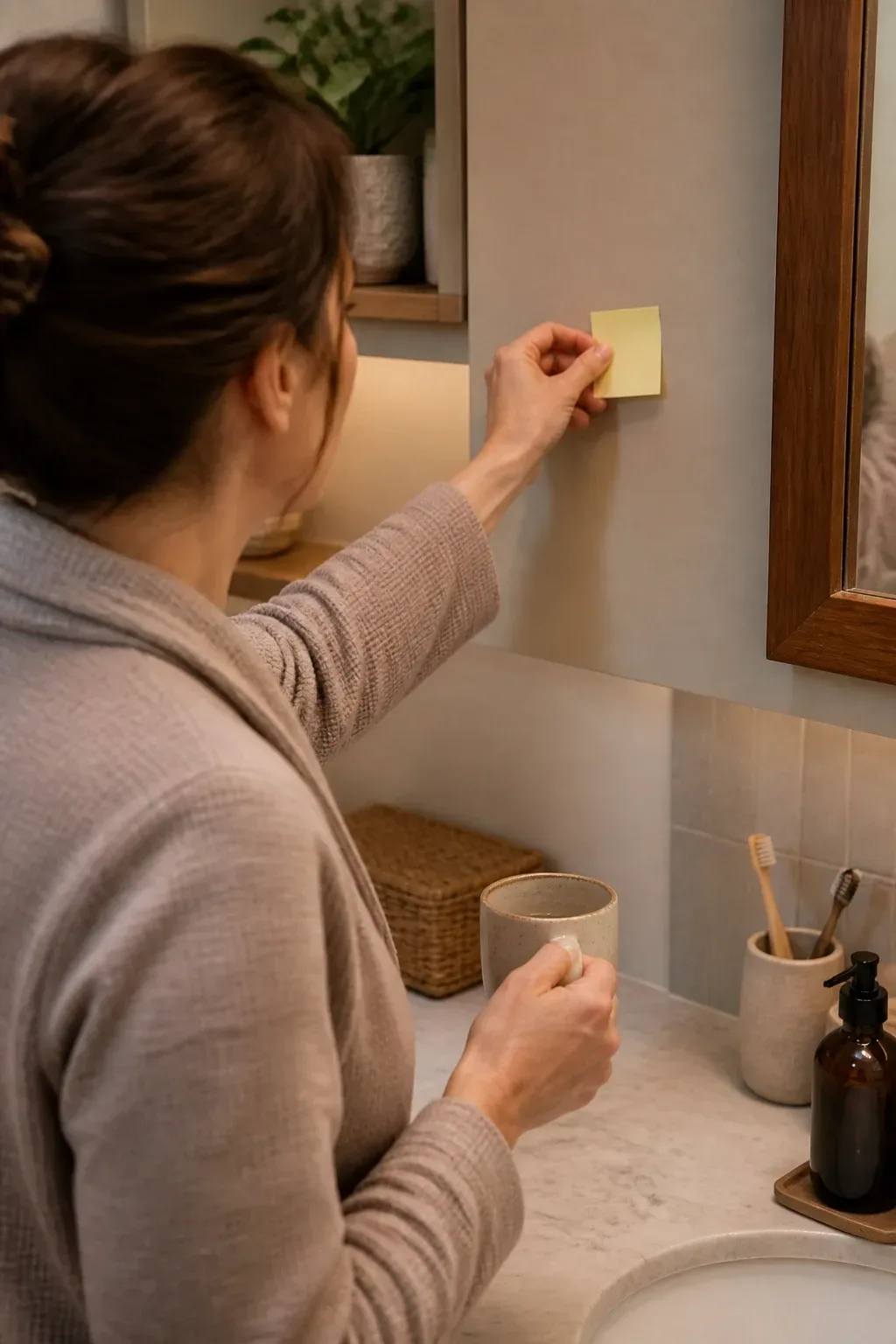
Why it helps: Habit-stacking links a new behavior to an already established routine. This makes the new habit easier to remember and harder to skip. It’s a simple trick that translates into real, steady progress.
What to do:
How to: Choose a reliable anchor moment like brushing your teeth or making coffee. Add a small habit right after it, for example, “after coffee, wipe down the kitchen counter” or “after brushing, write one task for the day.” Keep it tiny at first and increase gradually as it becomes automatic.
4. Schedule Social Accountability, Not Just Solo Goals

Why it helps: We do better with accountability. Sharing goals with a friend or family member provides gentle pressure and encouragement. It also adds a social element that makes routines feel more real and less lonely.
What to do:
How to: Tell someone your one-week targets—like “clearing the kitchen at night” or “taking a 15-minute walk.” Check in daily, even for a few sentences, and celebrate small wins together. If you can, schedule a short activity with them to keep the momentum going.
5. Replace All-Or-Nothing Thinking with 2-Minute Tasks

Why it helps: The all-or-nothing mindset kills motivation. Two-minute tasks feel doable, reduce procrastination, and often expand into longer sessions. You’ll see progress without feeling overwhelmed.
What to do:
How to: Write a list of quick tasks that take two minutes or less—fold laundry, sip water, quick tidy, or set a timer for a short stretch. Do them in short bouts throughout the day. You’ll often find you finish more than you expect and that builds momentum for bigger chores.
6. Create Calming, Recharge Moments Instead of Punishing Yourself

Why it helps: Simple, pleasant pauses recharge your energy and mood. When you feel better, you’re more likely to act, not avoid. It’s not about defeating laziness with guilt, but giving yourself small, kind resets that refresh motivation.
What to do:
How to: Schedule three short break ideas you enjoy: a five-minute walk, a hot beverage in a cozy chair, or a five-minute stretch. Keep them handy in a note or calendar so you reach for them when you feel tired. This reduces brain fatigue and makes action easier later.
7. Track Progress with Gentle, Honest Reflections

Why it helps: Reflection helps you see what’s working and what isn’t. It also reinforces accountability in a positive way. Honest, simple notes teach you how your energy and routines shift over time.
What to do:
How to: At the end of each day, jot down one thing you did well and one area to improve. Keep it short—two or three lines are plenty. Over a week, you’ll spot patterns and adjust habits to fit real life, not ideal plans.
Keeping the Momentum: Realistic Expectations and Next Steps
These seven habits are designed to be doable, not perfect. Expect some days to feel hard, and that’s normal. Start with one or two habits and add more as you feel comfortable. The goal isn’t to become a productivity machine overnight but to build reliable routines that support a calmer, more energized home life.
FAQs
How long does it take to break lazy patterns at home?
Most small habits start feeling more natural after about two to four weeks with consistent practice. Some people notice a difference sooner, while others take a bit longer. The key is steady, gentle repetition rather than grand, one-off efforts.
What if I fall off the routine?
That’s normal. Acknowledge it without judgment and restart the next day. Adjust the habit to fit your life better, perhaps making it shorter or pairing it with an already strong routine. The point is consistency over perfection.
Can I involve others in these habits?
Absolutely. Accountability helps. Share your goals with a friend or family member, and consider doing one habit together. Even a quick check-in can keep you moving forward when motivation dips.
Is it okay to modify the habits for my space?
Yes. Adapt the steps to your home, schedule, and energy. If a specific cue doesn’t fit, swap it for something that does. The flow should feel natural, not forced.
Final Thoughts
Small, steady changes beat big, fleeting bursts every time. By starting with a tiny morning reset, tidying in short bursts, stacking habits, building accountability, embracing two-minute tasks, prioritizing calm breaks, and tracking progress honestly, you’ll feel less lazy and more in control at home. Give yourself permission to progress at your own pace and celebrate every win, no matter how small.