✨ 9 Simple Habits That Keep Your Home Clutter-Free
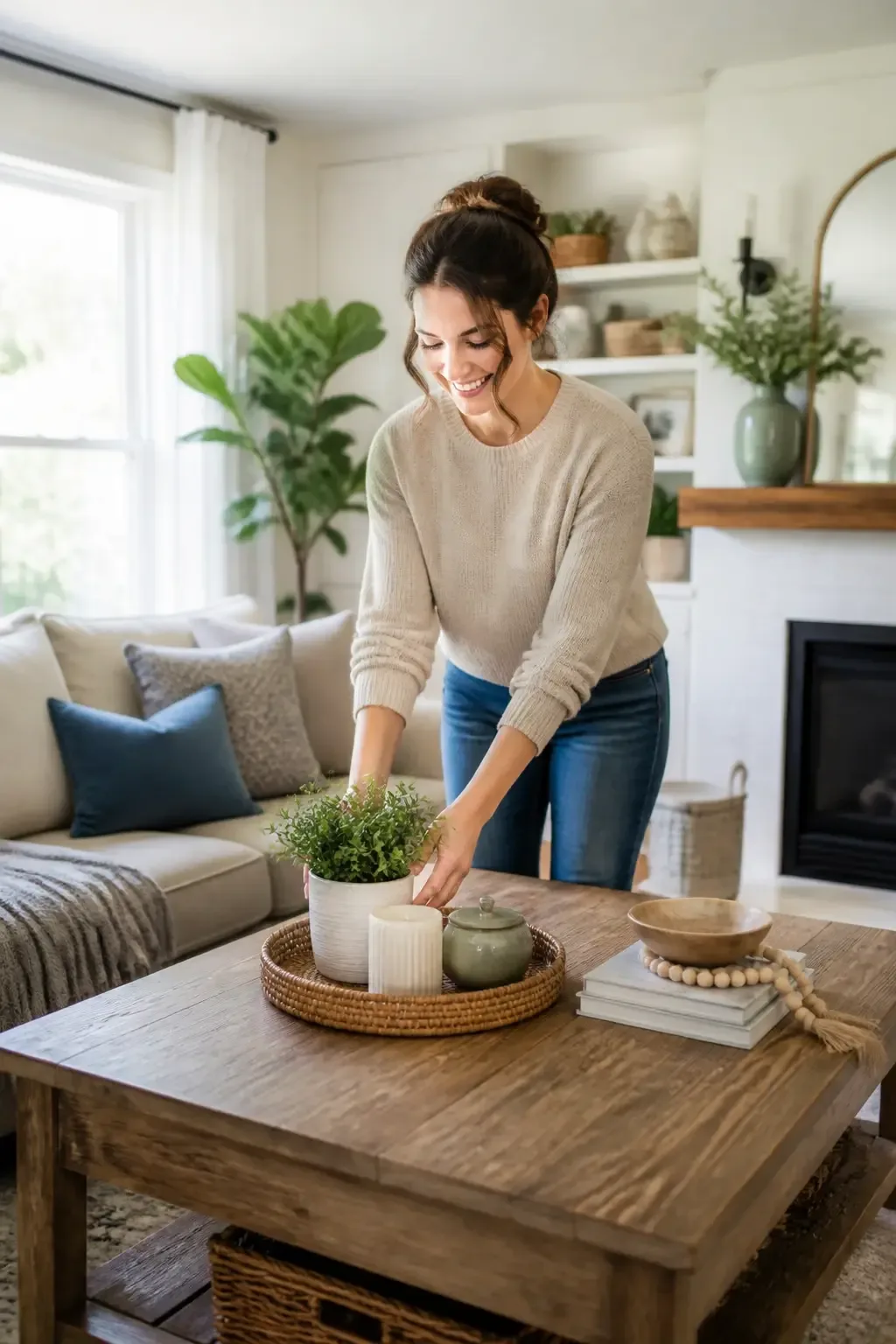
It can feel endless, but clutter doesn’t have to own your day. With small, doable habits you can stick to, a calmer, cleaner home is within reach. Let’s walk through simple actions you can start today that actually work.
1. Do a 5-minute daily reset
What it is: A tiny daily sweep where you put away things you just used and return them to their home. This habit prevents small piles from turning into big ones over days or weeks. Start with one room, like the living area, and set a timer for five minutes to tidy what’s out of place. The payoff is immediate: a calmer space and less stress when guests arrive.

2. Establish a “one-in, one-out” rule
Why it helps: Every time you bring something new into your home, remove something you don’t need. It’s a simple mental model that keeps items from piling up. You don’t have to be strict every day; pick a trigger moment (after grocery shopping or after a shopping trip) and apply it. Over time, this keeps belongings at a steady, manageable level.
3. Sort and store by daily use
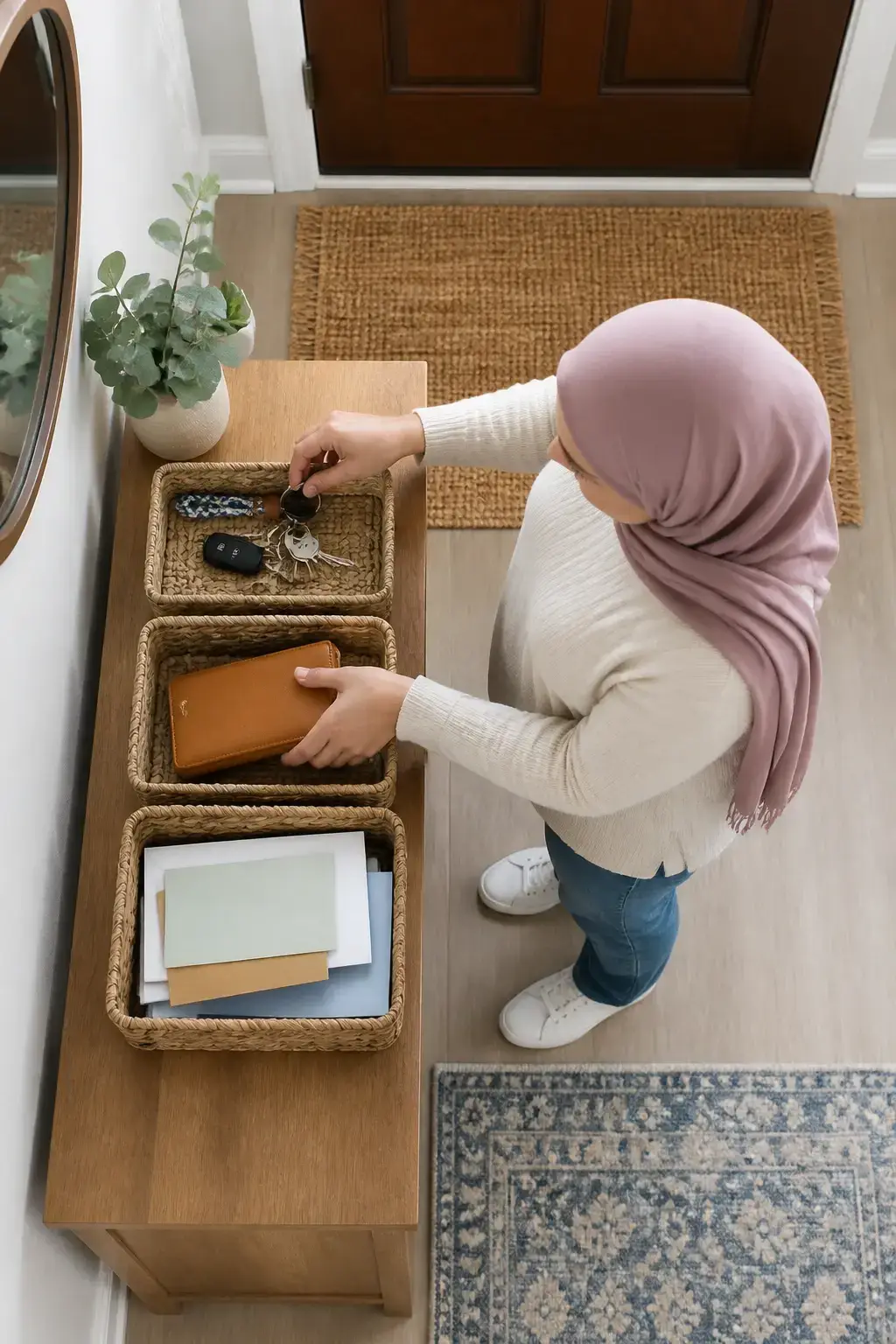
How to: Put frequently used items in easy-to-reach places and rare items in tucked-away spots. This reduces friction when you’re in a rush and makes tidying less painful. For example, keep keys, wallet, and mail near the door, and reserve a small basket for items that belong in other rooms. Clear labeling and simple baskets make this work consistently.
4. Create a catch-all tray with a defined home
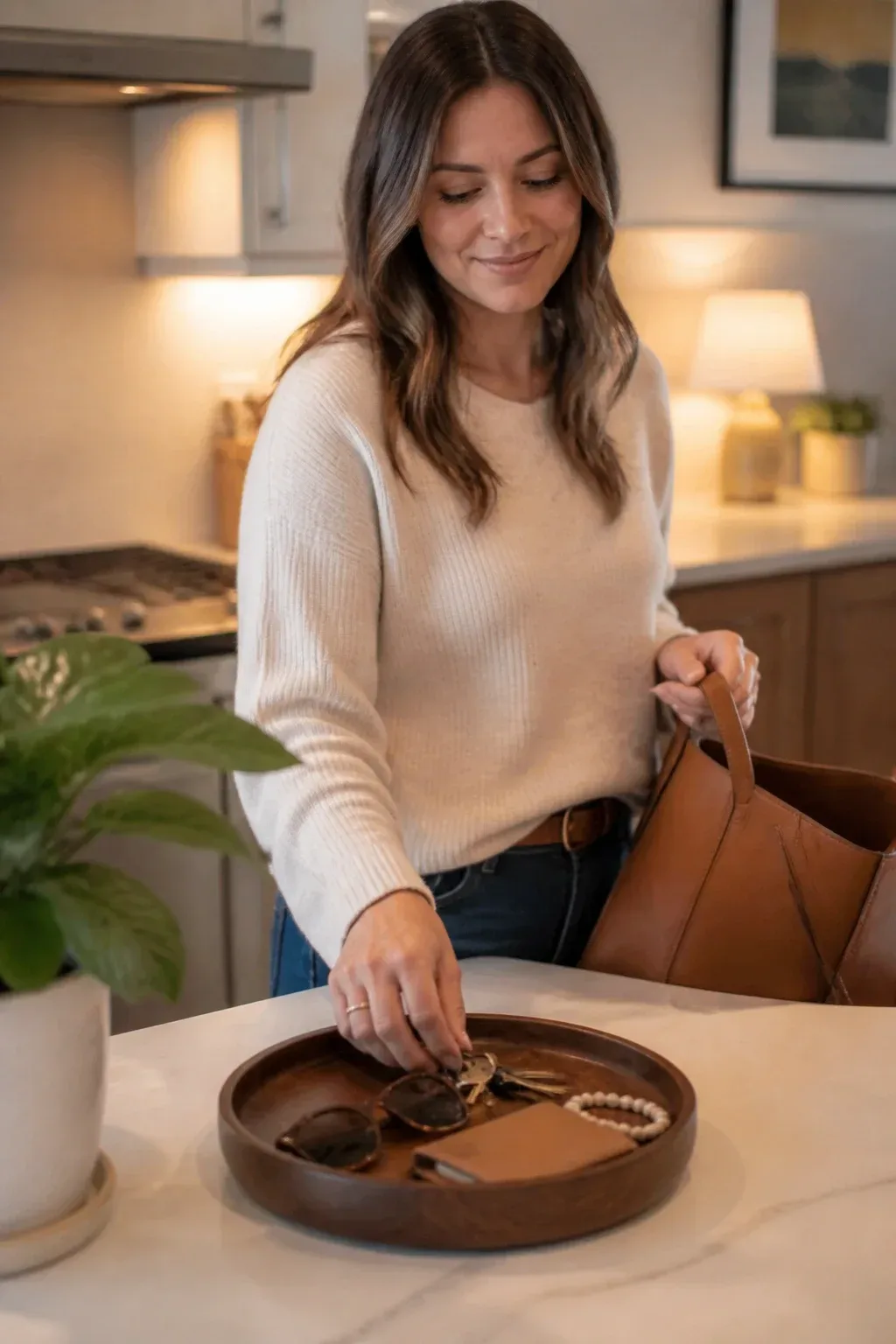
Best for: Reducing countertop chaos in kitchens and entryways. A single tray or bowl for odds and ends keeps tiny items from spreading. Each evening, a quick 60-second sweep returns contents to their proper place. It looks neat and helps your brain relax when you walk in the door.
5. Tidy as you go during routines
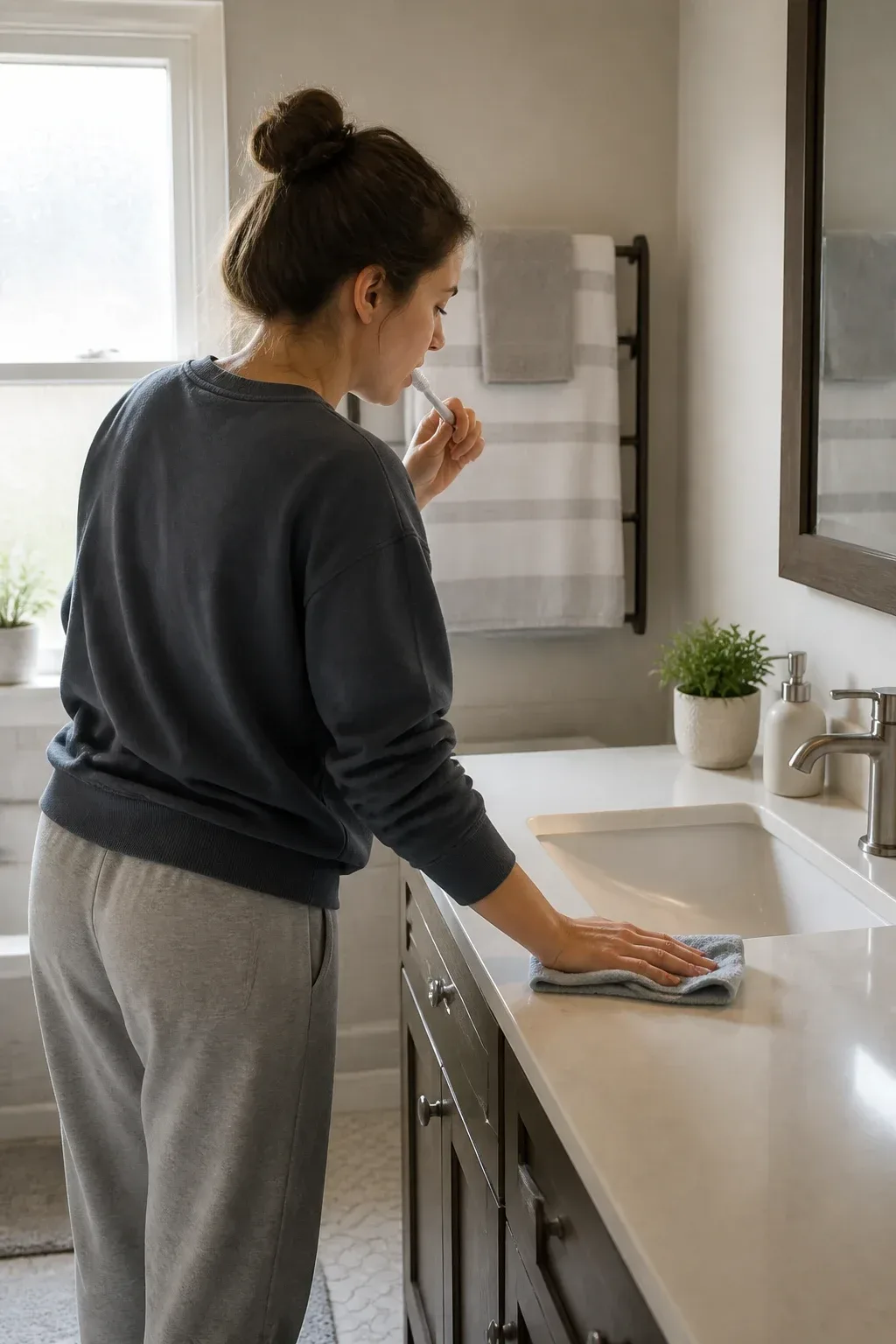
How to: Pair a quick tidy with a regular routine, like brushing teeth or loading the dishwasher. Clean, quick micro-tixes prevent buildup and make full cleans easier later. The trick is consistency—do a small wipe or put-away while you wait for something to finish, like laundry cycles or coffee brewing.
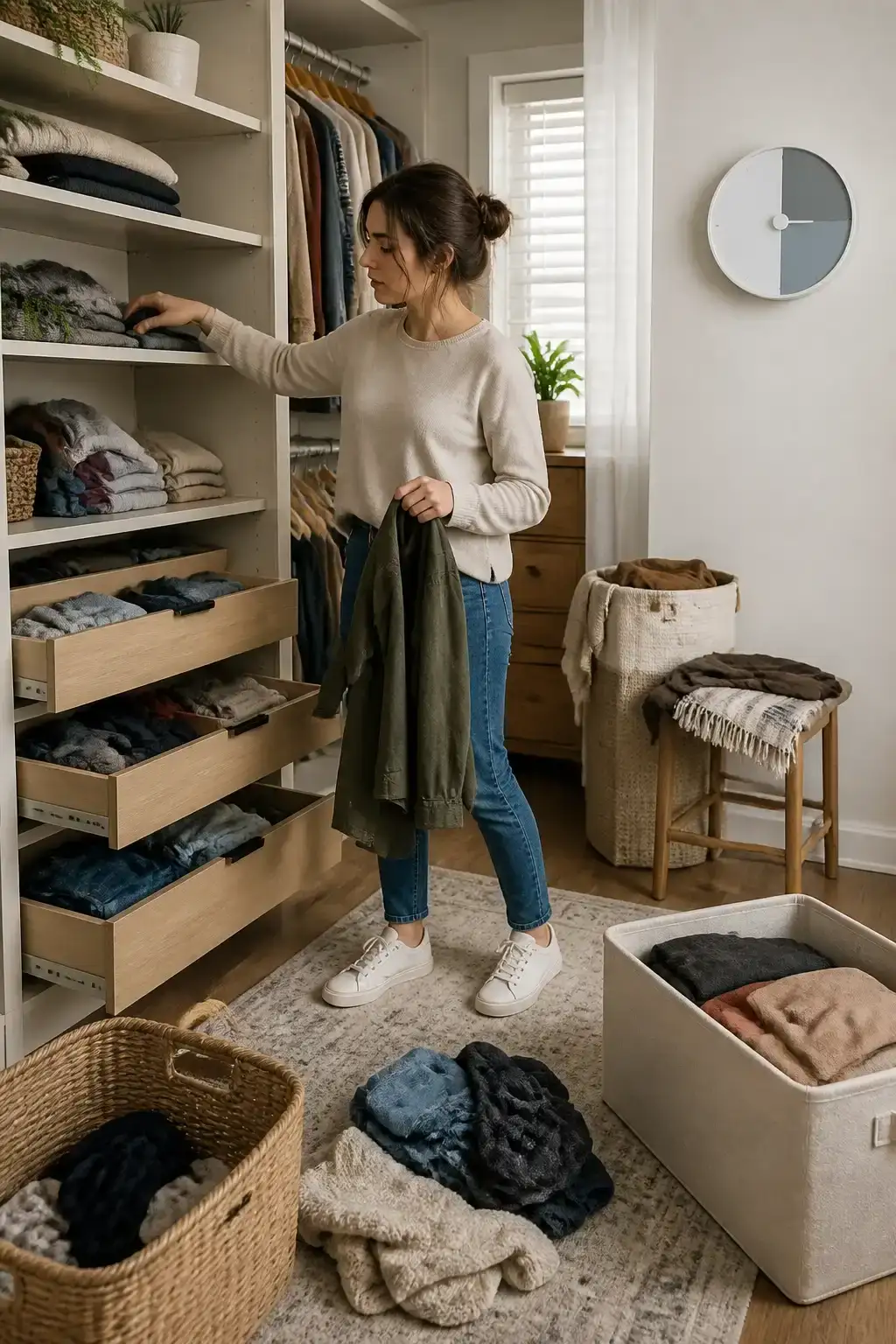
6. Have a weekly declutter sprint
What to do: Set aside 20–30 minutes on a chosen day to remove items you don’t use or love. Focus on one area at a time—drawers, shelves, or a closet. This weekly ritual prevents clutter from sneaking back and reveals what you actually still want. You’ll feel lighter as you see the space open up.
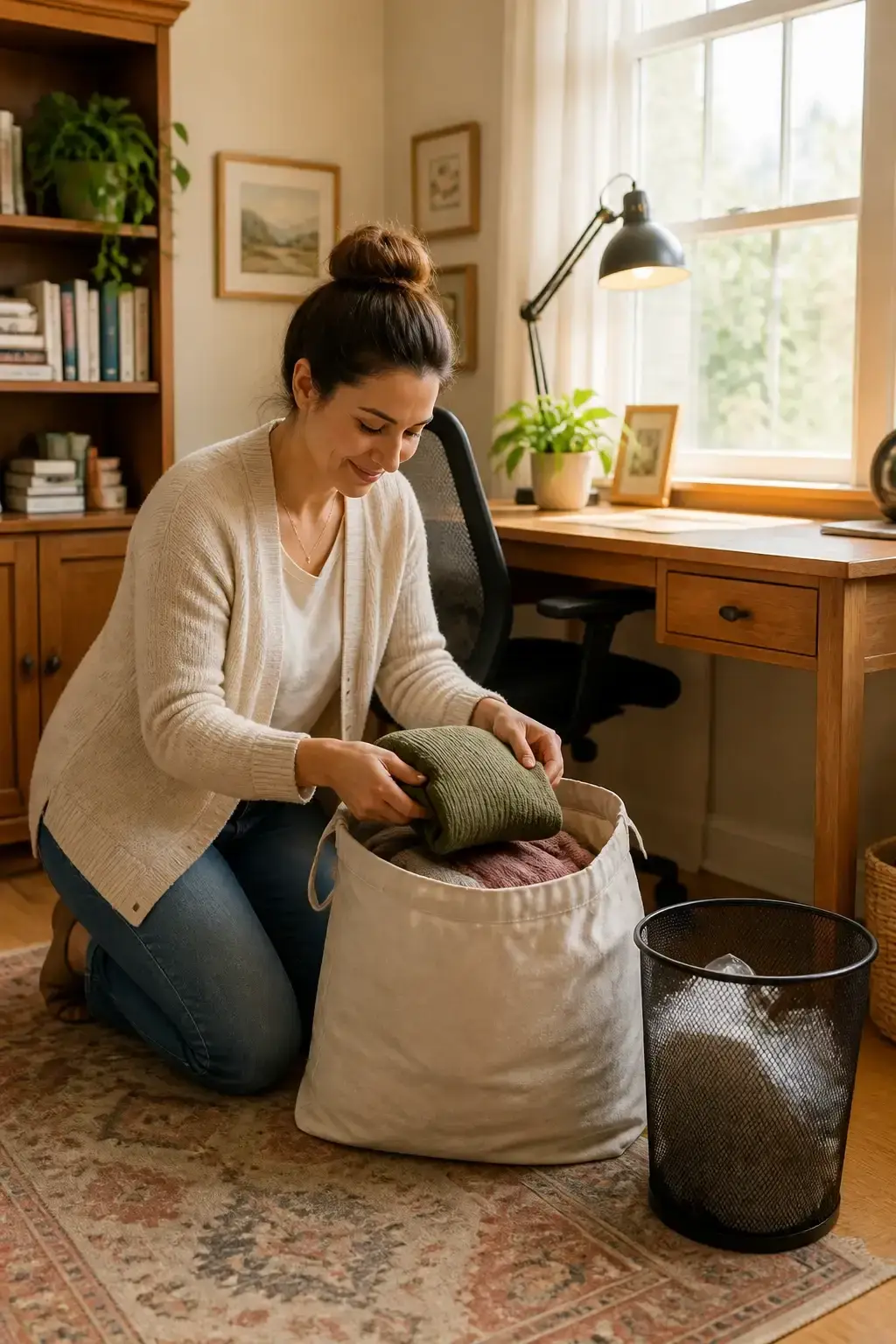
7. Designate a “donate” and “trash” flow
How it works: Keep a bag in a closet for items to donate and a separate bin for trash or recycling. When it’s full, drop both bags off or take them to the curb. This system keeps clutter from lingering and makes giving away things you no longer need easy. It also helps you be mindful of what you bring in next time.

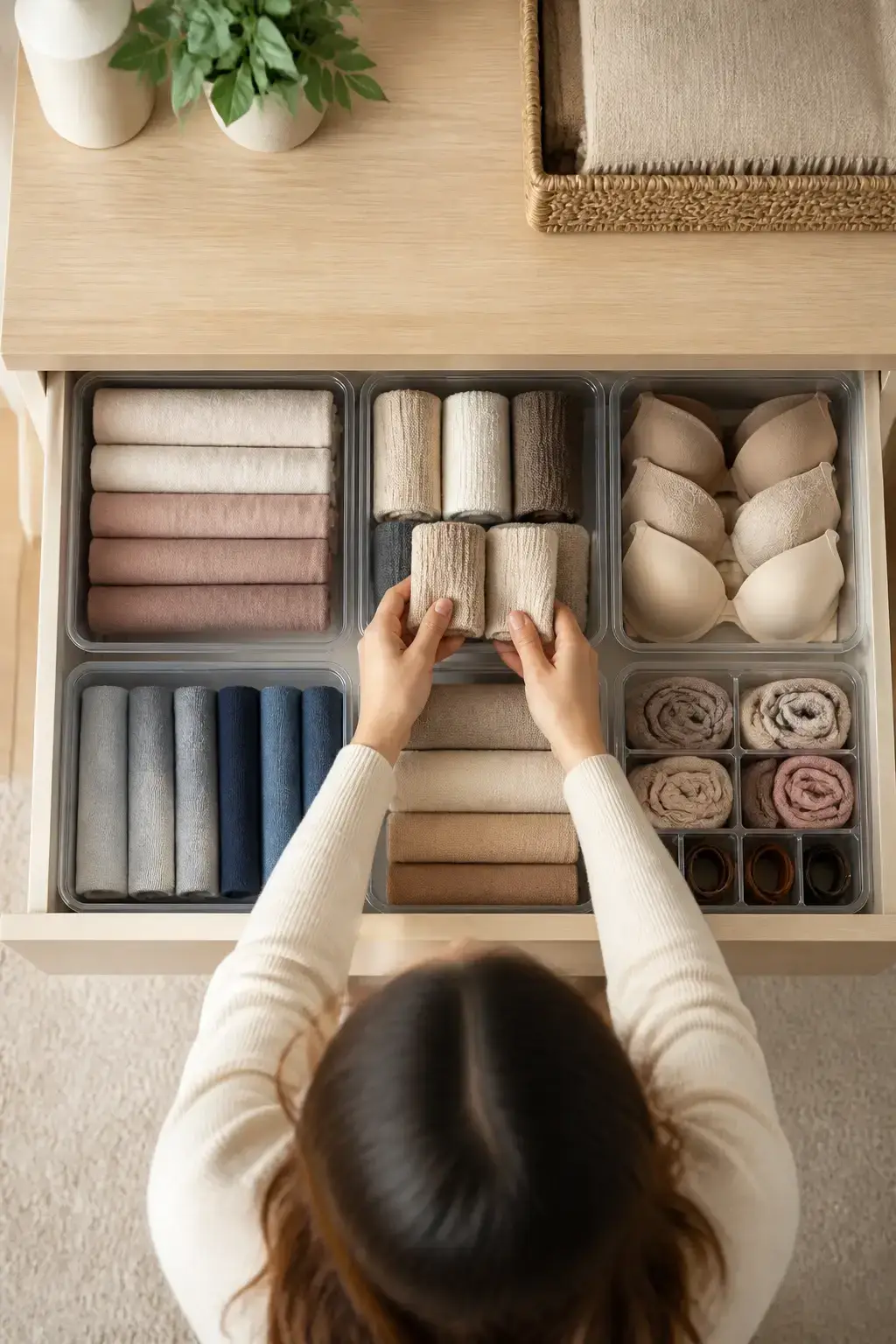
8. Use transparent storage to see what you have
Why it helps: Clear containers let you see content at a glance, so you don’t double-buy or forget what’s stored. Label the containers with simple, clean tags and keep similar items together. This setup speeds up cleaning and makes it easy to rotate seasonal items as needed.
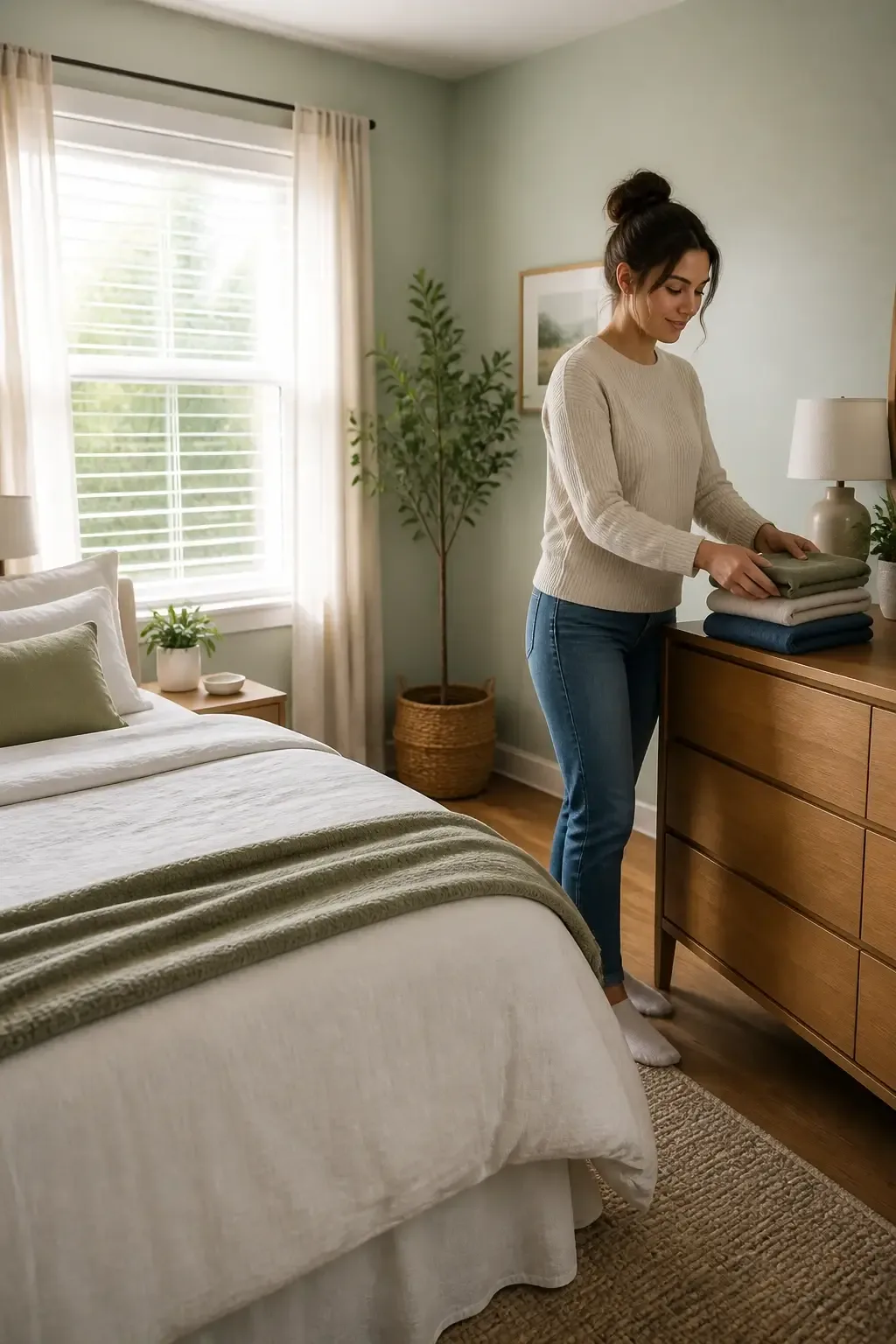
9. Build a calm morning routine
What to include: A quick reset that starts your day with order. Make your bed, open the blinds for natural light, and put away clothes from the night before. A tidy start reduces the urge to pile up more belongings and sets a positive tone for the day. Small, steady habits like this compound into less clutter over time.
FAQs
How long does it take to see a real difference from these habits?
Most people notice a lighter feel in rooms after a week of consistent daily resets and a 30-minute weekly declutter. The key is consistency, not perfection. Start with one or two habits and add more as you go.
What if I live with others who don’t want to change?
Make your own space orderly first, then invite others to join; share simple rules like “one-in, one-out” or a shared catch-all tray. Start with small wins in common areas to model the benefits and reduce friction.
Can these habits work in small apartments?
Absolutely. The same ideas scale down to tight spaces. Use vertical storage, stackables, and compact bins to maximize every inch. The goal is to create visual calm, which makes the space feel bigger and easier to clean.
Wrapping it up, small, repeatable actions beat big, rare cleanups every time. Pick a few habits you can commit to for the next two weeks, then build on them. You’ll notice less stress, more energy, and a home that genuinely feels easier to live in. Ready to start? Choose one daily habit today and watch the ripple effect reach every room.