The Complete Caesar Haircut Guide: 30+ Modern Styles That’ll Change Your Look in 2026
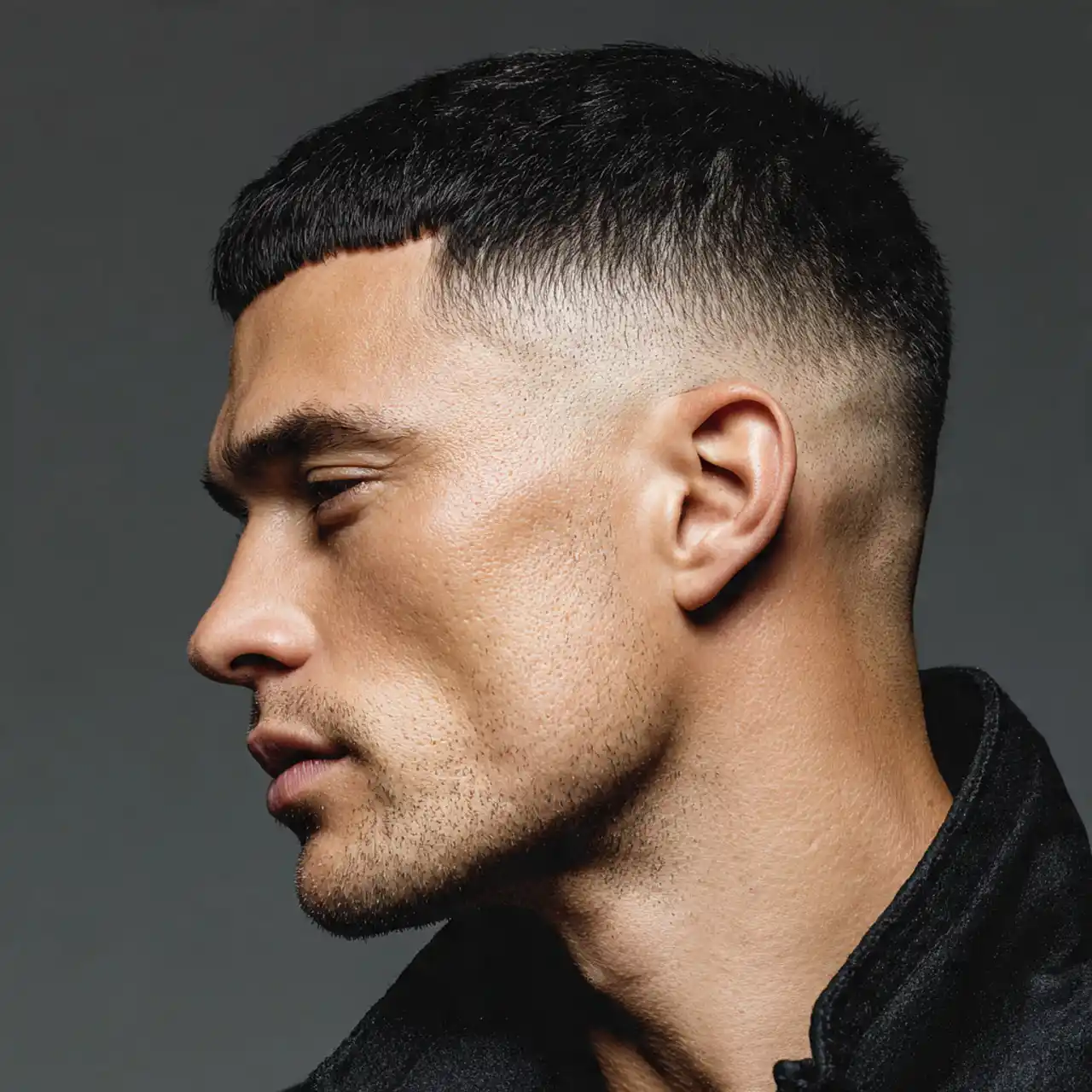
The Caesar haircut is having a major moment right now, and it’s not hard to see why. This timeless style has evolved from its ancient Roman roots into one of the most versatile and low-maintenance haircuts for modern men. Named after Julius Caesar himself, who reportedly used it to hide his receding hairline, today’s Caesar cut comes in dozens of fresh variations that work for every face shape, hair type, and lifestyle. Whether you’re a busy professional, a style-conscious student, or someone who just wants to look sharp without spending hours in front of the mirror, there’s a Caesar cut waiting for you.
What Makes the Caesar Haircut Special?
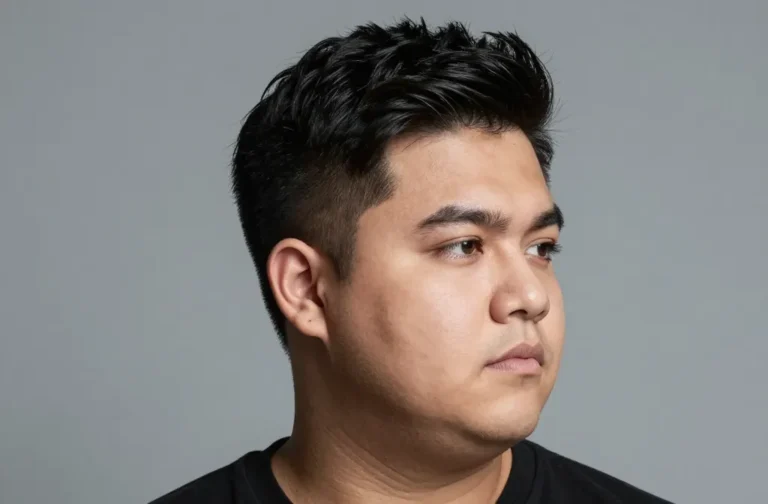
The Caesar haircut features short hair all around with a distinctive horizontal fringe that’s brushed forward across the forehead. The top is typically kept between 1-3 inches while the sides and back are cut shorter or faded. What sets it apart from other styles is that forward-swept fringe, which creates a clean, structured look that’s both masculine and sophisticated. The beauty of this cut is its simplicity combined with endless customization options through fades, textures, and length variations.
1. Classic Caesar Cut
The traditional Caesar cut keeps everything uniformly short with hair measuring about 1-2 inches all around the head. The fringe is blunt and horizontal, sitting just above the eyebrows in a straight line. This is the perfect starting point if you’re new to the Caesar style and want something clean and timeless. It works exceptionally well for men with square or oval face shapes because the horizontal fringe adds balance. The classic version requires almost no styling beyond a quick brush forward each morning, making it ideal for guys who value efficiency without sacrificing style.
2. Modern Caesar with Fade
The modern Caesar upgrades the classic with tapered or faded sides that create dramatic contrast. Unlike the uniform length of the original, this version keeps 2-3 inches on top while the sides gradually fade down to skin or a very short buzz. The result is a lighter, fresher appearance that feels contemporary and polished. This variation has become the go-to choice for younger men and professionals who want a traditional look with modern edge. Ask your barber for a low, mid, or high fade depending on how bold you want the contrast to be.
3. Textured Caesar
The textured Caesar adds choppy, piece-y layers throughout the top section for increased dimension and movement. Instead of a smooth, uniform surface, this style features separated strands that create a more relaxed, lived-in vibe. Point-cutting techniques give the hair natural separation without looking messy or unkempt. This works brilliantly for men with thick hair who want to reduce bulk while adding style. It’s also a great choice for guys who want a Caesar that doesn’t look too formal or rigid, as the texture makes it perfect for casual and creative environments.
4. Caesar Low Fade
The low fade Caesar blends the sides starting just above the ears, creating a subtle transition that’s professional yet stylish. The fade stays close to the natural hairline, making it one of the most conservative fade options while still offering modern appeal. This cut works wonderfully in office settings, schools, and formal environments where you need to maintain a polished image. For men with round faces, the low fade helps elongate facial features by drawing the eye upward to the textured top. Maintenance is relatively easy with touch-ups needed every 3-4 weeks.
5. Caesar Mid Fade
The mid fade strikes the perfect balance between subtle and bold by starting the fade halfway up the sides. This is often called the “all-rounder” Caesar because it works in virtually any setting, from casual weekends to business meetings. The mid fade provides enough contrast to be interesting and stylish without being extreme or attention-grabbing. Athletes and younger professionals particularly love this variation because it looks sharp and athletic while remaining versatile. The clean lines around the temples and ears give it a fresh, well-groomed appearance that always looks intentional.
6. Caesar High Fade
For maximum contrast and drama, the high fade Caesar takes the fade up near the top of the head. This creates a striking visual separation between the cropped fringe on top and the ultra-short sides. The high fade works best for men with strong facial features who can carry a bold look with confidence. This variation has gained massive popularity on social media and in urban barbershops where trendsetting styles dominate. Just be prepared for more frequent barber visits every 2-3 weeks to keep those high fades looking crisp and clean.
7. Caesar Skin Fade
The skin fade takes things to the next level by fading all the way down to bare skin at the sides and back. This creates the ultimate high-contrast look with a gradual, seamless transition from hair to skin. The technique requires serious barbering skill, so make sure you visit an experienced professional for this style. The skin fade Caesar makes a bold statement and works especially well for men with darker hair where the contrast is most visible. It’s become a favorite among fashion-forward guys who want their haircut to be a conversation starter.
8. Long Caesar Cut
The long Caesar extends the top section to 3-4 inches while maintaining that signature forward fringe. This added length provides more styling versatility, allowing you to sweep the fringe to the side, create messy texture, or keep it traditionally forward. The longer version works great with wavy or curly hair since you have more length to work with natural texture. You can dress it up with styling cream for formal occasions or go casual with a messy, piece-y look for weekends. Just know that longer versions require more daily styling effort than their shorter counterparts.
9. Short Caesar Cut
The short Caesar keeps everything extremely tight with hair barely reaching half an inch to one inch in length. This ultra-low-maintenance version is perfect for hot climates, active lifestyles, or men who simply want the easiest possible grooming routine. Despite its simplicity, the short Caesar still maintains that characteristic forward fringe, just in a more subtle way. It’s an excellent choice for men with thick, coarse hair that would otherwise look too bulky at longer lengths. The short version also helps minimize the appearance of thinning hair by keeping everything uniform and close to the scalp.
10. Caesar with Taper
The tapered Caesar features gradually shortened sides and back without the dramatic contrast of a fade. The taper is more subtle and traditional, creating a softer transition that appeals to older men or conservative professionals. This variation respects the classic Caesar aesthetic while adding just enough modern refinement to keep it current. The taper works beautifully in traditional workplaces where fades might be considered too edgy or casual. It maintains a distinguished, mature appearance while still looking sharp and well-groomed.
11. Messy Caesar
The messy Caesar embraces imperfection by styling the top section with intentional disorder and separation. Instead of neat, controlled fringe, you’ll create piece-y, scattered texture that looks effortlessly cool. This relaxed approach works perfectly for creative types, artists, and younger guys who want a more laid-back aesthetic. Use a matte clay or paste to create separation without shine, giving it that natural, just-rolled-out-of-bed appeal. The messy Caesar proves that this classic cut can be adapted for casual, contemporary lifestyles without losing its inherent structure.
12. Caesar Undercut
The Caesar undercut creates extreme disconnection by pairing the short fringe with sides that are buzzed or shaved with no gradual blend. The sharp line of demarcation between top and sides makes a bold, rebellious statement. This high-contrast style has roots in vintage barbering but feels completely modern and edgy. It works particularly well for men with oval or oblong face shapes who can handle the added visual width. The undercut requires regular maintenance every 2-3 weeks but delivers maximum impact for guys who want their haircut to stand out.
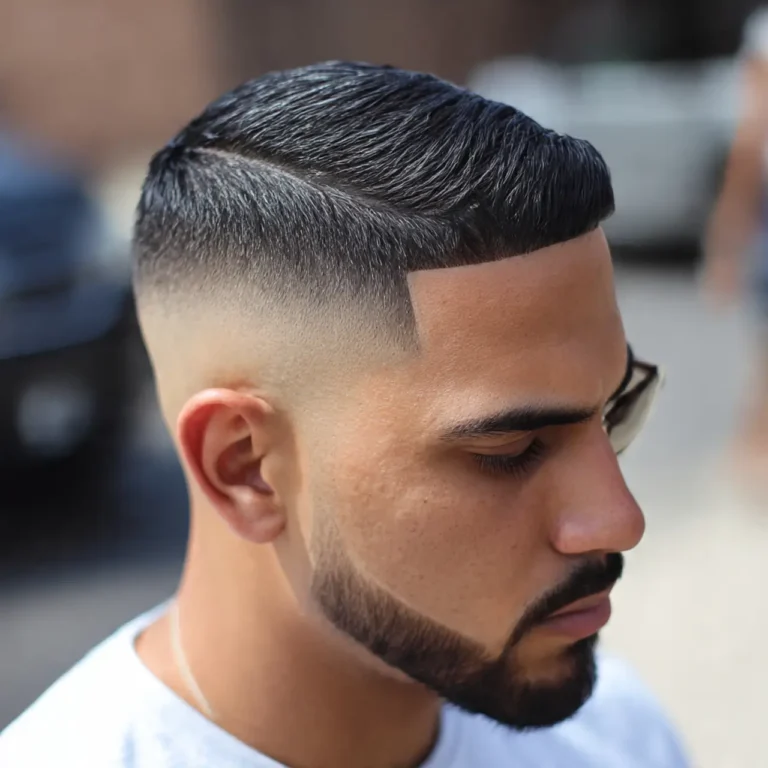
13. Caesar with Side Part
This creative variation adds a sharp side part to the traditional Caesar structure. One side remains smooth and styled down while the other side gets brushed forward or textured upward. The part line creates geometric interest and breaks up the uniformity of the classic cut. This style works brilliantly for professional settings where you want personality without being too casual or trendy. It’s sophisticated enough for business environments but interesting enough to show you have personal style. The side part Caesar bridges traditional and contemporary aesthetics perfectly.
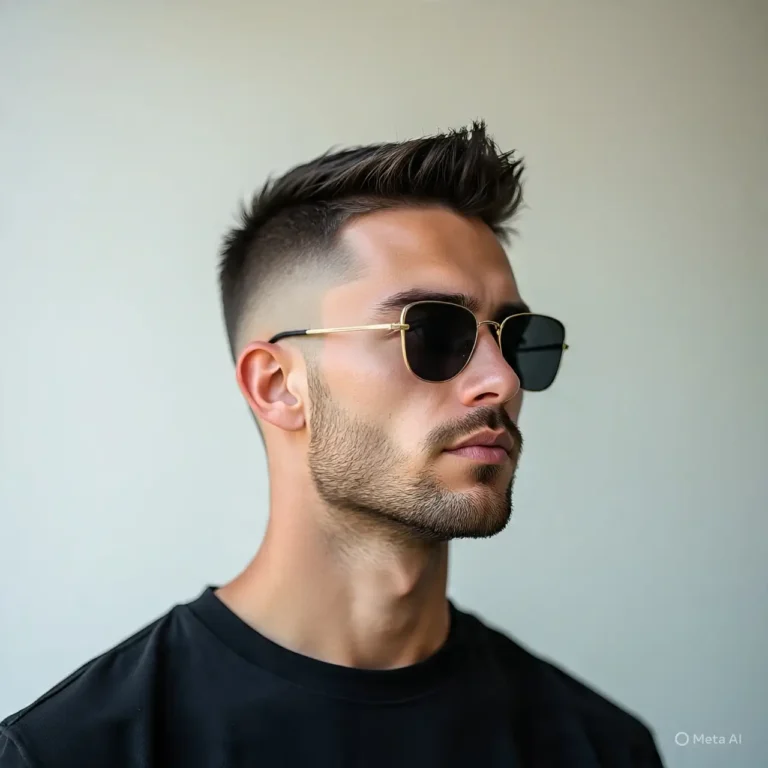
14. Spiky Caesar
The spiky Caesar adds vertical texture to the normally horizontal fringe by styling short spikes throughout the top. This edgy variation creates a faux hawk-like silhouette while maintaining Caesar’s basic structure. You’ll need a strong-hold product like gel or pomade to keep those spikes standing throughout the day. The spiky Caesar works best for men with straight, thick hair that can hold vertical styling. It’s popular among younger guys and those in creative fields who want a haircut with attitude and personality.
15. Wavy Caesar
Men with naturally wavy hair can embrace their texture with the wavy Caesar that enhances natural movement. The cut follows the grain of your hair’s natural wave pattern, creating organic volume and dimension. Use a curl-enhancing mousse or leave-in conditioner to define waves without creating frizz or stiffness. This variation celebrates what you were born with rather than fighting against it. The wavy Caesar offers a softer, more romantic alternative to the typically structured Caesar aesthetic, making it perfect for men who want something less rigid.
16. Curly Caesar
Similar to the wavy version, the curly Caesar is specifically designed for men with tight curls or coils. The cut works with your natural curl pattern, shaping it into the Caesar silhouette while maintaining texture. This style has gained tremendous popularity among Black men and others with curly hair who want a structured cut that respects their natural texture. The forward fringe is adapted to work with curls rather than against them, creating a unique fusion of classic and contemporary. Moisture and curl-defining products are essential for keeping this style looking its best.
17. Caesar with Design
Adding shaved designs, lines, or patterns to the faded sides takes the Caesar from classic to creative. These artistic elements can be simple (a single line) or complex (geometric patterns, logos, or symbols). The designs add personality and individuality to an otherwise traditional haircut. This variation is perfect for younger guys, athletes, or anyone who wants to express creativity through their grooming. Keep in mind that intricate designs require touch-ups every 1-2 weeks as hair grows back and blurs the lines.
18. Caesar Buzz Cut
The Caesar buzz cut hybrid combines the ultra-short length of a military buzz with the forward fringe of a Caesar. Everything is buzzed very short (often with a #2 or #3 guard) while still maintaining that defining horizontal fringe line. This fusion creates one of the lowest-maintenance haircuts possible while retaining Caesar’s structural identity. It’s perfect for men who want something between a traditional buzz cut and a styled Caesar. The buzz cut version works especially well in hot climates or for active lifestyles where you need minimal fuss.
19. Dark Caesar
The dark Caesar refers to the style popularized in hip-hop culture, typically featuring very short sides (often with a temp or drop fade) paired with thick, textured hair on top. The contrast between dark, dense hair and clean fades creates a bold, masculine appearance. This variation has strong cultural significance and remains a staple in Black barbershops. The dark Caesar emphasizes precision cutting and crisp lines, requiring skilled barbering to execute properly. It’s a powerful look that commands attention while maintaining sophistication.
20. Caesar with Beard
Pairing a Caesar cut with a full beard creates incredible balance and masculinity. The short, structured hair on top contrasts beautifully with facial hair’s fullness and texture. The key is keeping both elements well-groomed – a neat Caesar with a sloppy beard looks disconnected. This combination works particularly well for men with square faces, as the beard softens strong jawlines while the Caesar adds clean structure up top. Make sure to fade your sideburns seamlessly into the haircut for a polished, integrated look.
21. Caesar Crop
The Caesar crop is a modern textured variation featuring choppy layers and slightly more length on top (2-3 inches). This creates a voluminous, dynamic look with piece-y separation throughout. The crop version sits somewhere between a traditional Caesar and a French crop, borrowing elements from both. It’s become hugely popular among fashion-conscious men who want a haircut with contemporary appeal. Style with matte clay for a natural, textured finish that doesn’t look overly styled or stiff.
22. Caesar with Forward Styling
This variation emphasizes the forward-swept nature of the Caesar by pushing every section of hair toward the face. The sides are still short or faded, but the top is aggressively styled forward to create prominent fringe. This directional styling makes the Caesar’s defining feature even more pronounced. It works especially well for men with larger foreheads who want to minimize that area. The forward-styled Caesar requires a strong-hold product to maintain the direction against your hair’s natural growth pattern throughout the day.
23. Blonde Caesar
Taking your Caesar to blonde (platinum, ash, or honey tones) transforms the entire look by adding brightness and visual interest. The light color makes the texture and cut lines more visible and dramatic. This bold choice requires regular maintenance and toning to keep the color looking fresh and avoiding brassiness. The blonde Caesar has serious style points and works particularly well for younger guys or those in creative industries. Just be prepared for the commitment of color maintenance every 4-6 weeks.
24. Caesar with Hard Part
A hard part is a shaved line that creates a sharp, defined separation in the hair. Adding this to a Caesar creates geometric precision and visual interest. The hard part can run from the front hairline back or be placed off to the side for asymmetry. This crisp detail elevates the basic Caesar into something more styled and intentional. The hard part requires touch-ups every 1-2 weeks as hair grows back and the line becomes less defined.
25. Caesar Taper Fade
The taper fade Caesar combines the gradual blending of a taper with the dramatic contrast of a fade. The result is a transitional look that’s bolder than a simple taper but less extreme than a full fade. This middle-ground option appeals to men who want modern styling without going too aggressive. The taper fade works in both professional and casual settings, making it one of the most versatile Caesar variations. It provides enough contrast to be interesting while maintaining sophistication and class.
26. Caesar with Surgical Line
Surgical lines (also called razor lines or barber designs) are thin, precise lines shaved into the faded sides of a Caesar. These can be single lines, double lines, or more complex patterns. The surgical lines add street-style edge and contemporary appeal to the traditional cut. This detail has become especially popular among younger generations who follow barbershop trends on social media. The lines typically last about a week before needing touch-ups to maintain their crisp appearance.
27. Disconnected Caesar
The disconnected Caesar features an abrupt transition between the top and sides with no blending whatsoever. The top section might be 2-3 inches while sides are buzzed to skin, creating maximum contrast. This avant-garde variation makes a bold fashion statement and works best for men with strong personal style. The disconnection creates visual interest through contrast rather than gradual transitions. It’s particularly popular in urban areas and among men who see their haircut as an important style element.
28. Caesar with Temple Fade
The temple fade (also called a temp fade or Brooklyn fade) focuses the fade primarily around the temple area and hairline. The rest of the sides remain relatively longer, creating a unique contrast pattern. This variation has roots in hip-hop culture and creates a distinctive, stylish look. The temple fade Caesar works particularly well for men who want fade contrast without committing to fully faded sides. It provides a fresh alternative to traditional fade placements while maintaining Caesar’s classic top section.
29. Asymmetrical Caesar
The asymmetrical Caesar intentionally creates imbalance through different lengths, textures, or styling on each side. One side might feature longer fringe while the other is cropped shorter, or one side could have a fade while the other is tapered. This artistic approach creates visual interest from every angle and reflects current fashion trends. The asymmetrical Caesar is perfect for men who view their haircut as creative expression. It shows confidence and willingness to break from traditional symmetry.
30. Caesar Pompadour Hybrid
This creative fusion combines Caesar’s forward fringe with pompadour’s volume and height. The hair is styled upward and back with lift while maintaining some forward direction in the front. This hybrid offers the best of both worlds – pompadour drama with Caesar structure. It requires more styling effort than traditional Caesars, including blow-drying and multiple products. The Caesar pompadour works best for men with thick hair who can achieve and maintain that volume throughout the day.
How to Style Your Caesar Haircut
Most Caesar variations require minimal daily styling, which is part of their appeal. Start with slightly damp hair and apply a small amount of product (matte clay for texture, pomade for shine, paste for flexibility). Work the product through your hair with your fingers, then use a brush or comb to direct everything forward. The fringe should naturally fall into place across your forehead. For textured versions, use your fingers to create separation and piece-y definition. The entire process should take less than five minutes once you get the technique down.
For faded Caesar styles, the key is keeping those fades fresh with regular barber visits. Fades grow out quickly and can start looking sloppy after 2-3 weeks. Between cuts, maintain the shape by brushing your hair forward daily and using a small amount of product to keep the fringe in place. If you have a beard with your Caesar, trim it regularly to maintain proportion with your haircut. The Caesar’s beauty lies in its clean lines and structure, so maintenance is crucial for keeping it looking intentional rather than neglected.
Choosing the Right Caesar for Your Face Shape
The Caesar haircut is remarkably versatile, but certain variations work better for specific face shapes. Men with round faces should opt for Caesars with height and texture on top to elongate facial features – try a textured Caesar or one with a high fade. Square-faced men look great in almost any Caesar variation since the horizontal fringe balances strong jawlines beautifully. Oval faces are considered ideal for Caesars and can pull off any version from classic to extreme.
Men with longer or oblong faces should avoid styles with too much vertical height, sticking instead to classic or low fade Caesars that don’t add unnecessary length. Heart-shaped faces benefit from Caesars with fuller sides to balance wider foreheads. Diamond face shapes work well with textured Caesars that add width at the temples. The key is understanding your face shape and choosing a Caesar variation that creates balance rather than exaggerating existing proportions. Your barber can help guide you toward the most flattering option.
Best Products for Caesar Haircuts
The right products make all the difference in achieving and maintaining your Caesar cut. For matte, textured finishes, invest in a quality clay or paste like American Crew Fiber or Baxter of California Clay Pomade. These provide hold without shine, perfect for modern textured Caesars. If you prefer a classic, polished look with some shine, try a light to medium-hold pomade like Suavecito Original or Layrite Original. For wavy or curly Caesars, curl-defining creams and leave-in conditioners help manage texture while reducing frizz.
Sea salt spray adds volume and texture to longer Caesar variations, giving that beachy, effortless look. For styling spiky or dramatically textured Caesars, you’ll need a strong-hold gel or wax that can maintain structure all day. Always start with a small amount of product – you can add more if needed, but removing excess is difficult and messy. Quality products might cost more upfront, but they last longer and deliver better results than drugstore alternatives. Your barber can recommend specific products based on your hair type and chosen Caesar variation.
Maintaining Your Caesar Cut
Caesar haircuts are low-maintenance by design, but they still require attention to look their best. Visit your barber every 3-4 weeks for trims and fade touch-ups. Between cuts, wash your hair 3-4 times per week rather than daily to maintain natural oils and prevent dryness. Use a quality shampoo and conditioner suited to your hair type. When styling, brush or comb your hair forward daily to train it to grow in the right direction.
For faded Caesars, consider learning to do minor touch-ups yourself with clippers to extend time between professional cuts. Keep the back of your neck clean and tidy, as this area grows quickly and can make even a fresh Caesar look unkempt. If you have designs or surgical lines, these require more frequent maintenance every 1-2 weeks. Store your styling products in a cool, dry place and replace them every 6-12 months as they lose effectiveness over time. With proper care and regular maintenance, your Caesar will always look sharp and intentional.